

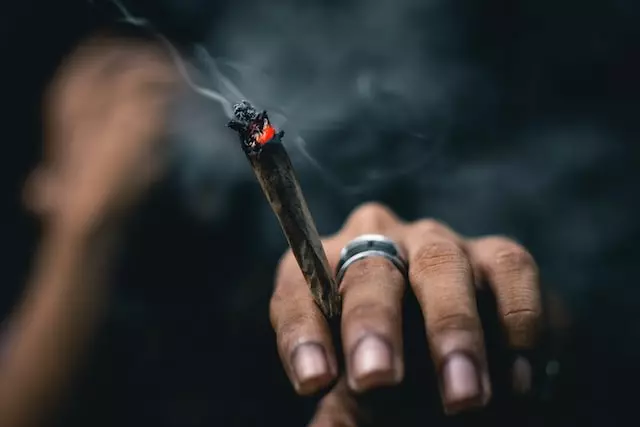
What Does California Sober Mean?
-
 By:
Valerie Puffenberger, PMHNP-BC
By:
Valerie Puffenberger, PMHNP-BC
-
 Editor:
Phyllis Rodriguez, PMHNP-BC
Editor:
Phyllis Rodriguez, PMHNP-BC
-
 Clinical Reviewer:
Dr. Ash Bhatt, MD, MRO
Clinical Reviewer:
Dr. Ash Bhatt, MD, MRO
The California sober lifestyle has become quite popular in the past several years as an attempt to reduce harm, meaning quitting addictive substances such as heroin, alcohol, or methamphetamine and replacing them with what some consider to be “less harmful” drugs like marijuana. While some people can moderate their use of certain drugs, attempting a California sober lifestyle after battling addiction can be a dangerous endeavor. Here at our rehab facility, although we see this is currently a trend, it is important to understand that for anyone with real alcohol or drug dependence, simply cutting back on alcohol or drugs isn’t the solution.
The Problem With California Sober
It is worth noting that though California sober is a trending term, it is neither regulated nor medically recognized. Beyond this, the lack of a universal definition means there is a wide discrepancy between each extreme of the term’s spectrum. Consider someone who drinks alcohol, smokes weed, and micro-doses on hallucinogens. Next, consider a person who is abstinent from alcohol and opioids and refrains from recreational drug use, with the exception of moderate marijuana consumption in the form of edibles.
People who subscribe to the idea of California sobriety utilize a harm reduction approach. This is because they believe that using marijuana is a safer alternative to harder drugs like heroin and cocaine. While some people may be able to consume alcohol in moderation or occasionally use marijuana and suffer no ill health effects, the reality is that this approach can be dangerous, especially for someone who has a history of addiction.
Is Marijuana Safer Than Alcohol?
Some practitioners of the California sober approach claim that using marijuana in moderation helps them to control problematic patterns of alcohol consumption. Even if this approach does work in some anecdotal cases, using marijuana is not necessarily safe for everyone. Some consequences that are triggered by the use of marijuana include:
- Decreased motivation
- Issues with learning, concentration, and short-term memory
- Impairment to both judgment and motor coordination
- Paranoia and psychosis
- Disrupted sleep patterns
- Depression, anxiety, restlessness, and irritability
The Neurological Viewpoint of the California Sober Lifestyle
All drugs can create dependency and misuse, including marijuana and alcohol. They affect the brain’s reward system through a chemical called dopamine. This chemical is linked to feelings of reward and satisfaction, making it more likely that people who use substances will return to using them repeatedly.
This is the risk for most people who decide to adopt the California sober lifestyle. They are trading one addiction for another. Marijuana releases large amounts of dopamine and substitutes the effects of harder drugs. Some individuals may benefit from therapeutic interventions to help regulate dopamine production, such as cognitive behavioral therapy.
Recover With Legacy Healing Center
Substance abuse is complicated, and treatment should be tailored to an individual. If you are concerned about yourself or a loved one’s use of alcohol or drugs, the best thing to do is seek support from the group of professionals at our rehab center.
For more information about our levels of care and other therapy programs, call Legacy Healing Center today at (888)-534-2295.