

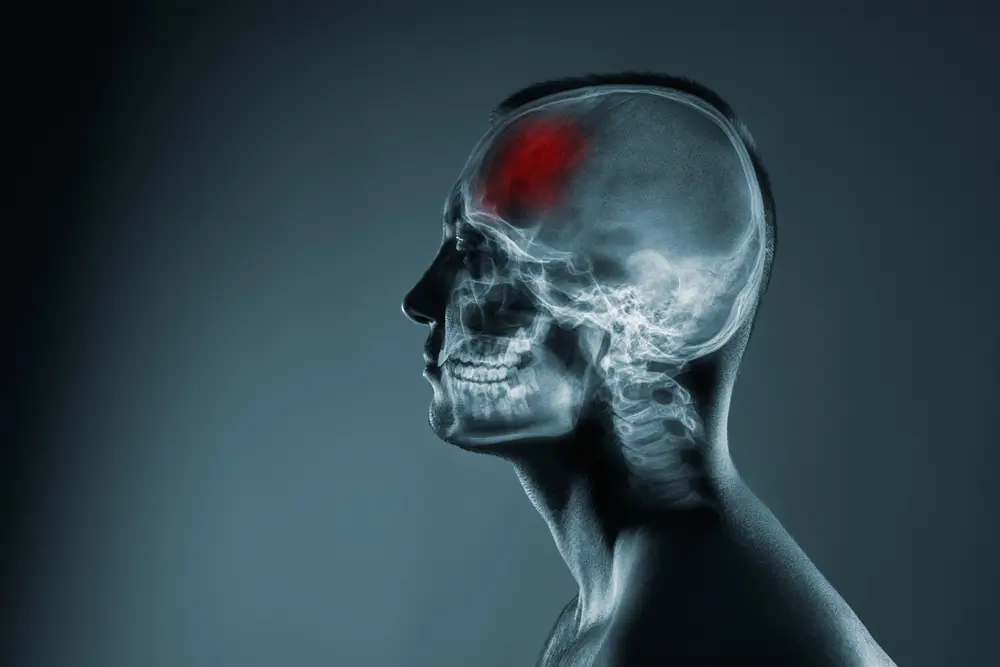
Understanding Toxic Brain Damage
-
 By:
Valerie Puffenberger, PMHNP-BC
By:
Valerie Puffenberger, PMHNP-BC
-
 Editor:
Phyllis Rodriguez, PMHNP-BC
Editor:
Phyllis Rodriguez, PMHNP-BC
-
 Clinical Reviewer:
Dr. Ash Bhatt, MD, MRO
Clinical Reviewer:
Dr. Ash Bhatt, MD, MRO
One of the biggest risks of illicit drug use or even prescription drug use is overdosing. A drug overdose can cause long-term damage, potentially resulting in problems like a toxic brain injury. If you or someone you love has suffered from a drug overdose, it’s helpful to understand this condition and receive help from one of our Legacy Healing Center locations. At our rehabilitation center, we understand that addiction can have severe consequences on both the user’s physical and mental health.
Can an Overdose Cause Brain Damage?
Yes, an overdose of drugs or alcohol can cause significant brain damage. Overdoses can lead to oxygen deprivation, seizures, and other medical complications that can damage the brain.
Drug overdoses can also cause anoxic brain injury, which occurs when the brain is deprived of oxygen for an extended period. This type of injury can lead to permanent brain damage, cognitive impairment, and other long-term health problems.
If you suspect someone is experiencing an overdose, seek medical attention immediately. Early intervention can prevent or minimize the extent of brain damage.
Do Drugs Kill Brain Cells?
Yes, some drugs can kill brain cells, leading to significant cognitive impairment and other long-term health problems. Long-term drug use can cause structural changes in the brain and damage to brain cells, particularly in areas that are involved in memory, learning, and decision-making.
Drugs such as methamphetamine, cocaine, and alcohol can cause significant brain damage and cognitive impairment, even after a short period of use. Prolonged drug use can also increase the risk of developing mental health problems such as depression, anxiety, and psychosis.
How Long Without Oxygen Before Brain Damage Occurs?
The brain is one of the most sensitive organs in the body and requires a constant supply of oxygen and nutrients to function correctly. Even a brief interruption of oxygen supply to the brain can cause irreversible brain damage.
The amount of time an individual can go without oxygen before brain damage occurs varies depending on several factors, such as age, overall health, and the severity of the injury. However, in general, brain damage can occur within four to six minutes of oxygen deprivation.
Legacy Healing Is Here to Help Heal
Toxic brain injury is a severe consequence of substance abuse that can lead to significant cognitive impairment and other long-term health problems. Oxygen deprivation, drug overdoses, and long-term effects of drug use can all cause brain damage and increase the risk of developing mental health problems.
For an individual who is struggling with addiction, there are various treatment options available. One common approach is medication-assisted treatment, which involves using medication to help manage withdrawal symptoms and reduce cravings. Another form of therapy we offer to treat both illicit and prescription drug use is cognitive behavioral therapy.
To learn more about our treatment center, contact us today and speak with one of our trained intake specialists.