
The Dangers of Self-Medicating with Drugs and Alcohol
-
 By:
Valerie Puffenberger, PMHNP-BC
By:
Valerie Puffenberger, PMHNP-BC
-
 Editor:
Phyllis Rodriguez, PMHNP-BC
Editor:
Phyllis Rodriguez, PMHNP-BC
-
 Clinical Reviewer:
Dr. Ash Bhatt, MD, MRO
Clinical Reviewer:
Dr. Ash Bhatt, MD, MRO
Self-medicating with drugs or alcohol might seem like a quick fix for stress, anxiety, or pain, but this approach can lead to dangerous and long-lasting consequences. At Legacy Healing Center, we understand the risks associated with self-medicating and are here to address addiction and its underlying causes with professional care. Our team offers comprehensive support to help people overcome addiction and regain control of their lives.
What Is Self-Medicating?
Self-medicating occurs when someone uses substances like alcohol or drugs to manage physical or emotional pain without professional guidance. It often stems from self-diagnosis, where a person assumes they know the cause of their symptoms and attempts to treat them independently. While this may offer temporary relief, self-medicating rarely addresses the root of the problem and often makes things worse.
Many people turn to self-medicating due to untreated mental health conditions, chronic pain, or stress. Common substances used include over-the-counter medications, prescription drugs, and alcohol. However, without professional intervention, these habits can lead to serious health risks, dependency, and addiction.
The Risks of Self-Medicating with Drugs and Alcohol
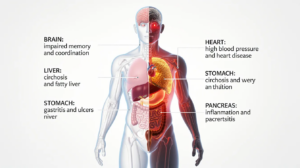
The dangers of self-medicating cannot be overstated. People who self-medicate with drugs or alcohol are at risk of developing severe health complications, including addiction, organ damage, and mental health deterioration.
One major issue is that self-medicating masks symptoms, delaying proper diagnosis and treatment. For example, using alcohol to cope with anxiety might temporarily ease discomfort, but it can exacerbate symptoms over time and lead to dependency. Similarly, self-medication with prescription drugs like opioids or benzodiazepines increases the risk of overdose and other life-threatening consequences.
Among the most significant risks of self-medication is addiction. Prolonged substance use can change the brain’s chemistry, making it increasingly difficult to stop without professional help.
Signs Someone Is Self-Medicating
Self-medicating doesn’t turn harmful immediately; it happens over time. Some signs of self-medicating to watch for:
- The person begins to feel they need their coping mechanism anytime they are stressed or anxious.
- They worry whether they will be able to access their medication of choice and make detailed plans to maintain access.
- The person refuses to perform their activities without self-medication.
- Often, the self-medication starts to make you feel worse instead of providing the relief intended. Friends and family may express concern about the behaviors.
When Mental Illness and Drug Addiction Go Together
Dual diagnosis is the term used for people who suffer from a mental health issue and an addiction. This condition often occurs because the person tried to self-medicate to feel better from their mental health issue. They may use the substance to hide their illness or to disguise the symptoms from others. Unfortunately, the form of self-medication may exacerbate the symptoms of the mental illness and increase the chance of continued substance use.
Diagnosing both conditions becomes a challenge since they often overlap. Legacy Healing Center offers dual-diagnosis treatment that addresses both substance use disorders and co-occurring mental health conditions simultaneously, providing comprehensive care for individuals with complex, interconnected needs.
Why Professional Help Is Essential
Relying on substances to cope with challenges can spiral into addiction, but professional treatment offers a path to recovery. At Legacy Healing Center, we provide evidence-based levels of rehab care that address both the physical and emotional aspects of addiction.
Unlike self-medicating, which treats only symptoms, professional drug and alcohol treatment focuses on uncovering and confronting underlying causes. This approach ensures that people receive the support they need for long-term recovery. With services ranging from detox to therapy and aftercare, Legacy Healing Center provides comprehensive solutions to addiction.
How Legacy Healing Center Can Help
If you or someone you love is struggling with the dangers of self-medicating, Legacy Healing Center is here to help. Our programs include medically supervised detox, personalized therapy, and ongoing support to help people break free from addiction.
With rehab facilities in Los Angeles, Cincinnati, Parsippany, Cherry Hill, Fort Lauderdale, and Margate, Legacy Healing Center makes quality care accessible to those in need. We specialize in drug and alcohol rehabilitation, offering safe and supportive environments where recovery can thrive.
Take the First Step Toward Recovery
Understanding the dangers of self-medicating is the first step toward making a positive change. If you or a loved one is struggling, don’t wait to seek help. Contact us at Legacy Healing Center today to learn how we can guide you on your recovery journey.
Our team of compassionate professionals is dedicated to helping people overcome addiction and reclaim their lives. Visit our blog for more information on addiction, treatment, and recovery resources. Together, we can help you build a healthier, brighter future.