

The Dangers of Mixing Benadryl and Alcohol
-
 By:
Valerie Puffenberger, PMHNP-BC
By:
Valerie Puffenberger, PMHNP-BC
-
 Editor:
Phyllis Rodriguez, PMHNP-BC
Editor:
Phyllis Rodriguez, PMHNP-BC
-
 Clinical Reviewer:
Dr. Ash Bhatt, MD, MRO
Clinical Reviewer:
Dr. Ash Bhatt, MD, MRO
Mixing over-the-counter medications like Benadryl and alcohol can pose serious health risks. While Benadryl (diphenhydramine) is commonly used to relieve symptoms of allergies, colds, and insomnia, combining it with alcohol can amplify its sedative effects. Both substances depress the central nervous system, leading to potentially dangerous interactions that can affect your coordination, judgment, and overall well-being. This is why it’s crucial to understand the risks involved before engaging in this hazardous combination.
At Legacy Healing Center, we prioritize educating individuals on the dangers of substance abuse and harmful combinations like Benadryl and alcohol. Whether you’re casually using Benadryl for allergies or relying on alcohol for stress relief, the combination of the two can have unintended consequences. In cities like Los Angeles, where lifestyle demands can lead to risky choices, understanding these interactions is essential for long-term health.
The Health Risks of Mixing Benadryl and Alcohol
Can you mix Benadryl and alcohol? The answer is a firm no. When considering the alcohol and Benadryl interaction, the primary concern is how both substances impact your central nervous system. Individually, Benadryl causes drowsiness and can impair cognitive function, while alcohol is well known for its depressant effects. When taken together, these effects are magnified, leading to extreme drowsiness, dizziness, and even difficulty breathing. For individuals with pre-existing health conditions, such as heart or respiratory issues, these risks become even more dangerous.
One of the most severe consequences of mixing Benadryl and alcohol is the potential for overdose. People who consume both substances may experience confusion, memory loss, or blackouts, which can lead to life-threatening situations. Seeking help from a drug rehab in Los Angeles like Legacy Healing Center is essential for individuals who find themselves at risk of substance abuse.
Symptoms of Alcohol and Benadryl Interaction
Recognizing the symptoms of Benadryl and alcohol interaction is critical in preventing a potential medical emergency. Some of the common symptoms include:
- Extreme drowsiness
- Dizziness or loss of balance
- Blurred vision
- Difficulty concentrating
- Memory lapses or blackouts
- Difficulty breathing or slowed respiration
These symptoms should not be taken lightly. If you or someone you know experiences these effects after consuming Benadryl and alcohol, it’s crucial to seek medical attention immediately. Educating yourself about these dangers can make a significant difference in avoiding a crisis. Furthermore, if dependence on either substance becomes a pattern, seeking addiction treatment can provide the support necessary for recovery.
Long-Term Effects of Benadryl and Alcohol
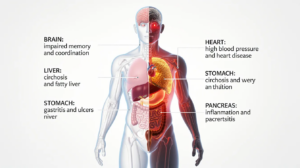
While short-term side effects like dizziness and drowsiness are alarming, the long-term consequences of Benadryl and alcohol can be just as severe. Chronic use of these combined substances can lead to cognitive impairment, liver damage, and even an increased risk of accidents or injuries due to poor motor skills and reaction time.
For those who struggle with frequent alcohol use, the addition of Benadryl may exacerbate these issues. At Legacy Healing Center, we have seen countless individuals in luxury rehab in Los Angeles who have unknowingly worsened their health by mixing over-the-counter medications like Benadryl with alcohol. It’s essential to address these habits early to avoid long-term health complications.
How to Avoid the Risks of Mixing Benadryl and Alcohol
If you’re questioning whether you should be mixing Benadryl and alcohol, the safest course of action is to avoid it altogether. Here are some steps to take to ensure you’re not putting yourself at risk:
- Read Medication Labels: Always check the warnings on over-the-counter medications like Benadryl, as many specifically advise against combining with alcohol.
- Limit Alcohol Consumption: If you know you need to take Benadryl, refrain from consuming alcohol in the hours before and after taking the medication.
- Consult with a Doctor: If you’re unsure about the interaction between alcohol and any medications you’re taking, speak to your healthcare provider.
- Seek Help if Needed: If you find that you’re consistently relying on alcohol or Benadryl, consider reaching out to professionals at an alcohol addiction treatment facility like Legacy Healing Center for guidance.
Avoiding these risks can prevent the life-threatening consequences of substance interaction. If you or a loved one is already experiencing the effects of substance abuse, seeking help from a rehab facility is a proactive step toward recovery.
Get in Touch with Our Rehab Today!
Understanding the dangers of mixing Benadryl and alcohol is crucial for maintaining both your short-term and long-term health. With the risks ranging from cognitive impairment to overdose, it’s clear that these substances should never be combined. If you or someone you know is struggling with substance use, contact Legacy Healing Center.
Our luxury rehab facility in California offers comprehensive programs for recovery. For more information about addiction, treatment options, and sobriety, check out our recovery blog. Whether it’s alcohol dependence or medication misuse, the professionals at Legacy Healing Center are here to help guide you toward a healthier, substance-free life.