

-
 By:
Valerie Puffenberger, PMHNP-BC
By:
Valerie Puffenberger, PMHNP-BC
-
 Editor:
Phyllis Rodriguez, PMHNP-BC
Editor:
Phyllis Rodriguez, PMHNP-BC
-
 Clinical Reviewer:
Dr. Ash Bhatt, MD, MRO
Clinical Reviewer:
Dr. Ash Bhatt, MD, MRO
Molly, a form of ecstasy, is one of the most popular club drugs in the world. However, molly is a dangerous substance that can seriously harm an individual’s mind, body, and life.
While users consume the drug for the pleasant short-term effects, the long-term effects of molly can be disastrous.
What Is Ecstasy? What Is Molly?
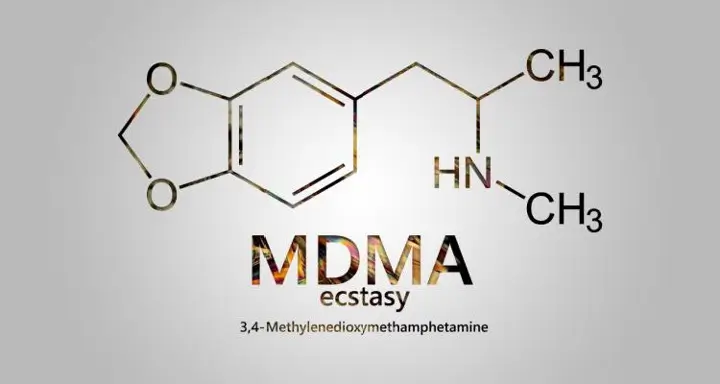
Ecstasy is the most common street name for MDMA, which is the abbreviated form of 3,4-methylenedioxymethamphetamine. It is a derivative of methamphetamine with a molecular structure similar to mescalin. That means it acts as both a stimulant and a dissociative hallucinogenic.
Ecstasy was first created in the early 1900s and initially used to help stop internal bleeding, then later as another version of adrenaline, and eventually for its psychoactive effects. The drug became popular in the 1980s through its use in couples counseling.
Other common names for ecstasy include X, ex, XTC, biscuit, Adam, disco biscuit, skittles, love drug, hug drug, rolls, and candy.
Ecstasy is a Schedule I drug, meaning it is illegal to possess or distribute in the U.S.
Although Schedule I drugs are said to have a high potential for abuse, there is extensive testing for ecstasy in trauma and PTSD therapy, and there is a good chance the drug will be down-scheduled because of studies like one published in Nature Medicine.
Ecstasy is available in many forms, each known by a different name. One of the most common forms is a ground powder known as molly. People usually take molly in pill capsules or dissolve it into water to create “molly water.”
Molly was initially popular because many thought it to be purer than pressed pills, sometimes called “beans.” However, molly is often cut with other drugs.
Continue reading to learn about the effects of molly.
Short-Term Effects of Molly

Molly affects the body’s central nervous system. It influences the levels of serotonin, dopamine, and norepinephrine in the body, meaning the effects of molly are both physical and mental.
This drug is popular in club, rave, and hip-hop cultures (among others) because of its pleasant, short-term effects, but many users do not realize the effects it can have on the body and the brain long term.
Some of the most common psychological effects of MDMA include:
- Mood arousal
- Sexual arousal
- A sense of wellbeing
- Euphoria
- A sense of excitement
- Feelings of peace or calm
- Extra sensitivity
- Increased energy
- Increase physical and emotional feelings
- Heightened sociability and closeness
- Relaxation
- Increased empathy
- Insomnia
Some of the most common physical effects of MDMA include:
- Blurry/double vision
- Profuse sweating
- Loss of control of bodily movements
- Changes in perception
- Dry mouth
- Dehydration
- Mild intoxication
- Muscle tension, especially in the jaw area
Ecstasy causes a mass release of “feel-good” chemicals, like serotonin, which cause the short-term effects of the drug. Afterward, the brain is depleted of those “feel-good” chemicals, which can put individuals into a state of intense depression (sometimes called the “comedown”) for several days.
The comedown is typically at its worst about two days after the last use of the drug. In fact, there is a phenomenon among molly users known as “Suicide Tuesday” because so many people experience extreme depression or commit suicide on that day after a weekend of partying.
Long-Term Effects of Molly Use
Long-term use of ecstasy (molly) can have a range of negative impacts on the mind and body, including:
- Neurotoxicity
- Long-lasting changes to mood, memory, and behavior
- Damage to serotonin-producing neurons in the brain
- Paranoia
- Loss of appetite
- Extreme and rapid mood swings
- Cognitive impairment
- Difficulties paying attention, concentrating, and/or problem-solving
- Depression
- Psychosis
- Insomnia and other sleep disturbances
- Memory loss
- Lethargy
- Fatigue
- Frequent sickness
- Reduced immune function
- Weakened immune system
- Hemorrhaging
- Cardiovascular issues
- Cardiovascular collapse (in severe cases)
- Tolerance
- Dependence
- Addiction
- Death
If you notice certain behavioral changes in someone you suspect to be struggling with an addiction to ecstasy, it is important to seek help. Call 888-534-2295 today to speak with an addiction specialist at Legacy Healing Center.
Dangers of Molly / Ecstasy

Ecstasy causes the heart rate to increase, which can be dangerous, especially for those with heart conditions.
It also increases body temperature, which can cause dehydration and damage the liver and kidneys. Individuals taking the drug may forget to drink water and can have a heat stroke or worse.
Most importantly, ecstasy overdose is possible and, at times, life-threatening. It can cause:
- Heart arrhythmias
- Overheating
- Seizures
- Muscle breakdown and kidney injury from hyperthermia
- Potentially fatal Serotonin syndrome
Signs someone could be overdosing on ecstasy include:
- High fever
- Tremors
- Seizures
- Irregular heartbeat
- Unconsciousness
Seek medical attention immediately if you believe someone is overdosing on ecstasy.
How Molly Usage Impacts the Brain
Molly has many effects on the brain. MDMA primarily impacts the neurotransmitter serotonin, which plays a key role in mood and emotions, among other functions. MDMA causes an increase in the release of serotonin in the brain, which causes waves, or rolls, of pleasurable sensations.
The serotonin release causes short-term euphoria but also depletes the brain’s serotonin levels, sometimes for several days afterward. Prolonged use may increase the risk of developing mood disorders.
Molly is also neurotoxic and can cause long-term damage to serotonin-producing neurons. MDMA use causes short-term memory impairments, which may persist if usage continues.
How to Tell if Someone is on Molly: Signs of Ecstasy Use
Are you wondering, “How do people act on molly?” It can be difficult to tell if someone is using MDMA, especially because the effects of molly vary from person to person.
However, there are signs that someone may be on molly, especially if you see several of these indicators at once.
Physical signs of molly use:
- Dilated pupils
- Jaw clenching
- Teeth grinding
- Sweating
- Nausea
- Vomiting
- Increased heart rate
- Elevated body temperature
Behavioral signs of molly use:
- Heightened energy
- Hyperactivity
- Increased sociability
- Increased talkativeness
- Excessive friendliness
- Excessive empathy
- Restlessness
- Loss of appetite
Psychological signs of molly use:
- Euphoria
- Intense happiness
- Enhanced sensory perception
- Increased emotional sensitivity
- Altered perception of time
- Changes in mood
- Irritability, anxiety, or depression after weekends
Paraphernalia associated with molly use:
- Pill bottles, capsules, or baggies containing a crystalline substance
Social signs of molly use:
- Frequent attendance of raves, music festivals, nightclubs, parties, and other events where ecstasy use is common
- Associating with individuals who are known to use drugs
- Changing social circles
Break Up with Molly
Molly’s widespread use in clubs, raves, and festivals causes people to underestimate its potential dangers. However, it is a powerful and potentially deadly drug that can be hard to break away from, especially if it is an integral part of your social life.
But there is help available. If you or someone you love is misusing molly, Legacy Healing Center has the tools to help you ditch the drug and live a healthier life.
At Legacy, we believe the only way to fully treat ecstasy addiction is to use a holistic approach that heals the mind, body, and spirit. That’s why we have developed our unique multi-pronged approach that includes the right psychotropic medications, cutting-edge clinical therapy, peer support from a community of those who have been through the same things, and integration of life factors.
Call 888-534-2295 to speak with a treatment staff member at Legacy Healing and free yourself from the dangerous and exhausting cycle of molly misuse.
The Effects of Ecstasy (Molly) FAQ
How long do the effects of ecstasy/molly last?
How long the effects of ecstasy last will vary depending on how much of the drug was consumed, the user’s tolerance for the drug, and the method of consumption.
In general, the first effects of ecstasy will appear between 20 and 60 minutes after ingestion. This is known as onset. The effects of ecstasy are generally strongest between one to 1.5 hours after ingestion. This period is known as the peak.
The plateau phase, when effects slowly subside from the peak, usually lasts two to three hours.
The comedown, or offset phase, takes place about three to four hours after ingestion. During this time, consciousness returns to normal. Some users may experience an afterglow phase of lingering symptoms after this as well.
Does ecstasy/molly damage your brain permanently?
There has been very little research conducted on the long-term effects of ecstasy on the brain. However, ecstasy has been proven to be neurotoxic and can cause damage to serotonin-producing neurons.
Similarly, ecstasy has been shown to cause both short- and long-term memory and cognitive impairment, although the duration and severity of these impairments have not been conclusively proven.
Ecstasy use has also been linked to persistent mood disorders and psychiatric symptoms.
What are the risks of mixing ecstasy/molly with other drugs?
The dangers of ecstasy use dramatically increase when molly is mixed with other drugs.
While the specific dangers are determined by which drug or drugs molly is mixed with, some of the most common or serious risks include:
- Serotonin syndrome
- Increased cardiovascular risks
- Dehydration and hypothermia
- Cognitive impairment
- Overdose risk
- Mental health risks
- Unpredictable reactions
Can you overdose on ecstasy/molly? What are the signs?
Yes, it is possible to overdose on ecstasy, and it can be fatal. Prompt medical attention is critical to saving the life of an ecstasy overdose victim. This means that recognizing the signs is critical. If they appear, it is important to contact emergency services immediately.
Some of the signs of molly overdose include:
- Severe hyperthermia
- High body temperature
- Hot and dry skin
- Confusion
- Unconsciousness
- Dehydration
- Dry mouth
- Dark yellow urine
- Dizziness
- Seizures
- Cardiovascular issues
- Tachycardia (rapid heart rate)
- Chest pain
- Convulsions
- Muscle spasms
- Agitation
- Hallucinations
- Delirium
- Disorientation
- Difficulty communicating
- Unusual behavior
- Respiratory distress
- Shortness of breath
- Respiratory failure
- Death
If someone I know took ecstasy/molly and is having a bad reaction, what should I do?
If someone you know took ecstasy and is having a bad reaction, you should contact emergency services immediately. Quick medical response is the best way to save lives.
While you should not attempt to provide any home remedies, there are some actions that you can take while you are waiting for medical personnel to arrive.
- Provide the victim with water
- Stay calm
- Monitor the person
- DO NOT leave the person alone
- Provide reassurance