

Physical vs Mental Addiction: Learn the Differences
-
 By:
Alex Herrera
By:
Alex Herrera
-
 Editor:
Phyllis Rodriguez, PMHNP-BC
Editor:
Phyllis Rodriguez, PMHNP-BC
-
 Clinical Reviewer:
Dr. Ash Bhatt, MD, MRO
Clinical Reviewer:
Dr. Ash Bhatt, MD, MRO
How to identify the signs of psychological addictions with our help.
If you are struggling with addiction you may feel confused and frightened. Psychological and physical addiction causes many distressing symptoms that are overwhelming and difficult to cope with.
There are specific traits of physical vs mental addiction that you should be aware of, and when they overlap, you can feel out of control both physically and mentally.
If you or someone you love needs help with addiction, call 954-994-2965 today to speak with a treatment specialist.
Physical Addiction
Knowing the signs and symptoms of physical vs mental addiction will be a tremendous help to you during your recovery process. Addiction is a complex problem that affects every area of your life. Knowing how to identify physical and psychological addictions will give you greater ability in how to cope with them.
Physical addiction occurs when the substance you are using begins to affect the receptors in the brain. Using drugs in large amounts, or over a period of time, builds up a tolerance in the receptors of the brain.
Once the body has a tolerance of the drug, it will require that more of the drug be used to create the desired effect that the drug initially produced. Over time, the user has to keep increasing the amount of the drug to get the same effect as before.
A physical addiction occurs when the brain receptors adapt to the drug and become dependent on it. If the drug is removed, the user will experience withdrawal symptoms. The presence of the drug has caused an alteration in the brain and created a physical addiction. Once the brain is altered and becomes dependent on the drug, the body will crave the drug.
Physical addiction means that the addict has poured so much alcohol or drugs into their body that it can no longer function normally. As the drugs or alcohol increase, the withdrawal symptoms and other negative effects of addiction will also increase. Once this happens the addict has no control over his addiction, and if the addiction is left untreated it can cause irreversible damage to the body and also cause death.
Physical addiction is created by a series of factors that include:
- The substance that is being abused
- The way it is taken
- Frequency of use
- Family medical history
Psychological Addictions
Psychological addictions are created by the emotions or the mind, where you become mentally dependent on the substance used and the behaviors associated with that use. Psychological addictions are just a strong as physical ones, and the user will feel a strong compulsion to use either drugs or alcohol.
If psychological addictions are not fed, the user will experience withdrawal symptoms because the body is not receiving the chemicals that it has become accustomed to. Psychological addictions can also cause physical addictions and all the negative effects associated with them.
Physical vs Mental Addiction
The different symptoms between physical vs mental addiction are as follows:
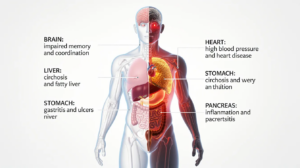
Physical symptoms can include:
- Palpitations, tremors, racing heart
- Nausea, vomiting, diarrhea
- Breathing problems, tightness in the chest, extreme sweating
Emotional symptoms:
- Anxiety, irritability, depression
- Social isolation
- Headaches, insomnia
- Restlessness, inability to concentrate
Psychological symptoms:
- Denial of addiction
- Inability to stop using
- Loss of appetite, insomnia when not using, restlessness when not using
- Intense cravings
- Mood swings, anxiety
- Mental obsession about getting more drugs or alcohol
To effectively treat physical and mental addiction, the user should enter a holistic drug treatment program that can address his addiction problems successfully.
Once an addict is fully committed to the rehabilitation process, he can begin his journey back to wholeness. The addiction specialists at Legacy Healing Center can provide you with all the information you need about detox and rehabilitation options.
Call us at 954-994-2965 today to speak with a treatment specialist.