

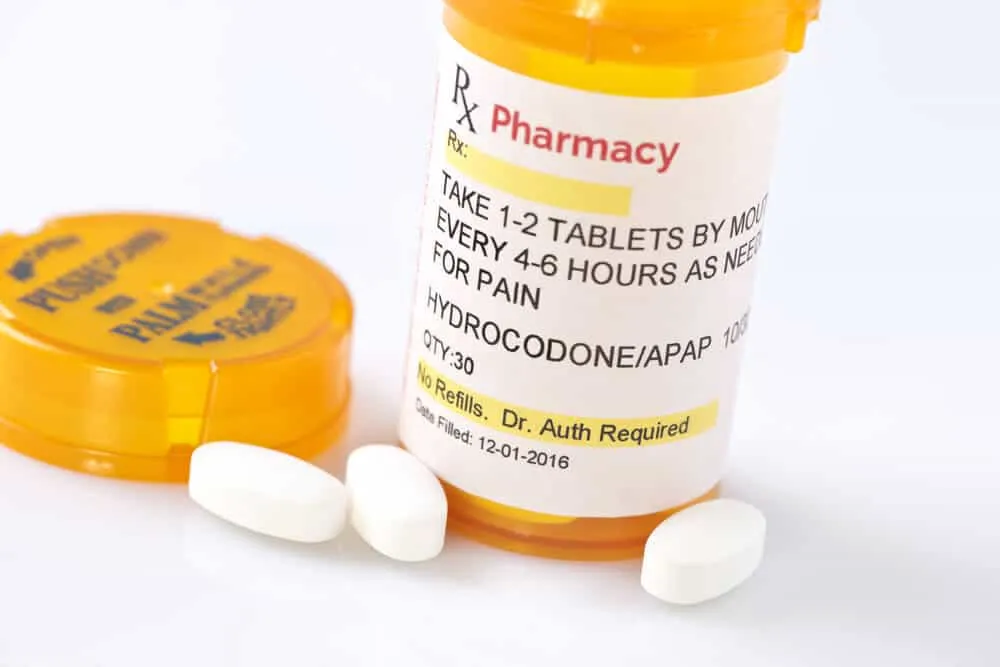
Percocet vs. Hydrocodone: A Comprehensive Guide to Opioid Pain Management
-
 By:
Valerie Puffenberger, PMHNP-BC
By:
Valerie Puffenberger, PMHNP-BC
-
 Editor:
Phyllis Rodriguez, PMHNP-BC
Editor:
Phyllis Rodriguez, PMHNP-BC
-
 Clinical Reviewer:
Dr. Ash Bhatt, MD, MRO
Clinical Reviewer:
Dr. Ash Bhatt, MD, MRO
When it comes to managing moderate to severe pain, doctors often prescribe opioid medications like hydrocodone and Percocet. Although both effectively provide relief, they differ in composition, potency, and potential side effects. Understanding these differences is crucial for patients and caregivers to make informed decisions about their pain management options. Our rehab centers offer comprehensive support for individuals struggling with dependency on these medications, helping them regain control of their lives. The addiction specialists at Legacy Healing Center will explore whether Percocet is more potent than hydrocodone. We will delve into the distinctions between the two, helping you better understand which medication might best fit your needs.
Is Percocet Stronger Than Hydrocodone?
When comparing them, it is essential to note that Percocet and hydrocodone are both strong opioid pain medications commonly used to treat moderate to severe pain. Percocet contains a mixture of oxycodone and acetaminophen. Hydrocodone is also commonly combined with acetaminophen. Oxycodone, the central opioid in Percocet, is generally believed to be stronger than hydrocodone, leading to potentially better pain relief in smaller amounts. Yet, the potency and efficacy of these drugs may differ based on the amount taken, personal tolerance, and particular health conditions.
While Percocet may have a higher potency compared to hydrocodone, it may not be the ideal option for every individual. Both drugs present a significant likelihood of addiction, misuse, and adverse reactions like sleepiness, nausea, and decreased breathing. A healthcare provider should decide between Percocet and hydrocodone based on a patient’s medical history, level of pain, and risk of adverse reactions. Following the exact prescription when using these medications is essential to reduce the chances of addiction and other issues.
What Is The Difference Between Hydrocodone And Percocet?
Hydrocodone and Percocet are prescription pain medications for moderate to severe pain, with differences in composition, potency, and side effects. Hydrocodone, an opioid often mixed with acetaminophen, is commonly recognized by brand names such as Vicodin or Norco. Percocet is a combination of acetaminophen with oxycodone, which is a more potent opioid compared to hydrocodone. While both drugs are successful in alleviating pain, the variations in their composition and potency can result in varying outcomes and potential risks for the individual.
The differences between hydrocodone and Percocet include:
- Active Ingredients:
Hydrocodone is a synthetic opioid that is most often combined with acetaminophen to create prescribed medications such as Vicodin.
Percocet is the brand name medication that contains oxycodone combined with acetaminophen.
- Potency:
Oxycodone (in Percocet) is generally considered more potent than hydrocodone.
- Effectiveness:
Percocet may offer more effective pain relief at lower doses due to its higher potency.
- Side Effects:
Both medications share common side effects like drowsiness and nausea, but Percocet may carry a higher risk of severe side effects like respiratory depression due to its potency.
- Addiction Potential:
Both carry a high risk of addiction, but Percocet’s potency can make it more likely to be abused
- Prescribing Uses:
Hydrocodone is often used for long-term pain management, while Percocet is typically prescribed for short-term use after surgeries or injuries.
The difference between hydrocodone and Percocet should depend on personal pain management requirements, medical background, and possible dangers. Although Percocet may offer more powerful pain relief, its heightened strength also increases the chance of experiencing adverse side effects and developing a dependency. Patients need to seek advice from their healthcare provider to identify the most suitable medication for their condition. They must adhere to the recommended dosage to prevent any potential complications.
Treating Opioid Addiction at Our Rehab Centers
Suppose you or a loved one is struggling with addiction to pain medications like hydrocodone or Percocet. In that case, our rehab center offers specialized opioid addiction treatment to help you reclaim your life. With comprehensive detox programs and personalized therapy, we provide the support and care needed to overcome dependency and build a healthier future. To learn more about our treatment options and to stay informed on related topics, visit our blog for valuable insights and resources. Don’t wait to get the help you need. Contact us to learn more about how our drug rehab facilities can help you achieve sobriety.
Frequently Asked
Questions about Percocet vs Hydrocodone
What is the difference between Percocet and hydrocodone?
Percocet combines oxycodone + acetaminophen, while hydrocodone is often paired with acetaminophen . The two differ in potency, metabolism, and side effect profiles. Percocet generally has stronger analgesic effect per dose, but also higher risk of liver damage when combined with high acetaminophen amounts.
Which is safer — Percocet or hydrocodone?
Both carry risks of overdose, dependence, and side effects. Safety depends on dosage, duration, underlying health conditions (e.g. liver or kidney issues), and concurrent use of other sedatives or alcohol. A medical professional should determine which is safer in your specific case.
What are common side effects of Percocet and hydrocodone?
Common side effects include drowsiness, dizziness, nausea, vomiting, constipation, and respiratory depression. Long-term use may result in tolerance, dependence, hormonal changes, and risk of liver damage (especially due to acetaminophen).
Which drug is more potent — Percocet or hydrocodone?
Oxycodone (in Percocet) is generally more potent than hydrocodone. This means you may need a lower dose of Percocet to achieve a similar pain-relief effect compared to hydrocodone, but that also increases the risk of side effects and overdose if misused.