
-
 By:
Valerie Puffenberger, PMHNP-BC
By:
Valerie Puffenberger, PMHNP-BC
-
 Editor:
Phyllis Rodriguez, PMHNP-BC
Editor:
Phyllis Rodriguez, PMHNP-BC
-
 Clinical Reviewer:
Dr. Ash Bhatt, MD, MRO
Clinical Reviewer:
Dr. Ash Bhatt, MD, MRO
Mixing stimulants and alcohol is a dangerous combination that many people underestimate. While some may turn to this mix for a heightened sense of euphoria or to balance the effects of one substance with the other, the consequences can be life-threatening. At Legacy Healing Center, we understand the challenges of addiction and are committed to helping individuals recover from the dangerous effects of substance abuse. Combining stimulants, such as cocaine, amphetamines, or prescription medications, with alcohol places immense stress on the body and mind.
What Are Stimulants?
Stimulants are substances that increase activity in the central nervous system. They enhance alertness, boost energy, and elevate heart rate and blood pressure. Common examples include:
- Cocaine
- Amphetamines
- Prescription medications like Adderall or Ritalin
While these substances may have legitimate medical uses, their misuse can lead to addiction and severe health consequences. When combined with alcohol, the risks are significantly amplified.
How Alcohol Affects the Body
Alcohol, a depressant, slows down the central nervous system, causing relaxation and impaired motor skills. It lowers inhibitions and impairs judgment, which can lead to risky behavior. When consumed in excess, alcohol can cause:
- Loss of coordination
- Slowed reaction times
- Memory impairment
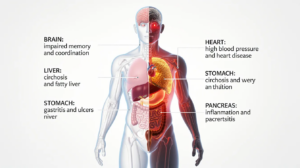
- Long-term damage to the liver, brain, and other organs
The stark contrast in how stimulants and alcohol affect the body creates a dangerous cocktail when mixed.

Why Mixing Stimulants and Alcohol Is Dangerous
The combination of stimulants and alcohol poses unique and severe risks.
Masking Intoxication
Stimulants can hide the effects of alcohol, making individuals feel less drunk than they are. This can lead to overconsumption of both substances, increasing the risk of alcohol poisoning or stimulant overdose.
Cardiovascular Strain
Both stimulants and alcohol put significant stress on the heart. Together, they can cause:
- Elevated heart rate
- High blood pressure
- Irregular heart rhythms
- Increased risk of heart attack or stroke
Impaired Judgment and Behavior
Combining these substances amplifies risky decision-making, leading to dangerous behaviors such as reckless driving, unprotected sex, or physical altercations.
Increased Risk of Addiction
Using stimulants and alcohol together can accelerate dependency, making it harder for individuals to quit without professional intervention.
Short-Term and Long-Term Health Risks
Short-Term Risks
Mixing alcohol and stimulants can pose several short-term risks, including increased heart rate and blood pressure, which can strain the cardiovascular system. Alcohol may mask the effects of stimulants, leading individuals to underestimate their level of intoxication, raising the risk of alcohol poisoning, overdose, or risky behaviors. Additionally, this combination can cause dehydration, impair judgment, and increase the likelihood of accidents or injuries.
Long-Term Risks
Mixing alcohol and stimulants over the long term can strain the cardiovascular system, increasing the risk of heart disease, high blood pressure, and stroke due to the conflicting effects of alcohol (a depressant) and stimulants (which increase heart rate and blood pressure). It can also increase the likelihood of developing substance use disorders, as both alcohol and stimulants can be addictive. Additionally, long-term mixing of these substances can impair mental health, leading to anxiety, depression, and cognitive impairments. Over time, the liver and other organs may be damaged, and the combination can also increase the risk of risky behaviors, accidents, and overdose.
How Legacy Healing Center Can Help
At Legacy Healing Center, we offer comprehensive alcohol addiction treatment programs designed to address the complex nature of substance abuse. Our approach includes:
Medically Supervised Detox
Detoxing from alcohol and stimulants can be physically and emotionally challenging. Our medical team ensures a safe and comfortable withdrawal process.
Evidence-Based Therapies
We provide individualized treatment plans that include cognitive behavioral therapy (CBT), group counseling, and family therapy to address the root causes of addiction.
Holistic Healing
Legacy Healing Center incorporates holistic therapies like yoga, meditation, and nutritional counseling to support overall well-being.
Aftercare Support
Recovery doesn’t end after treatment. We offer ongoing support to help individuals maintain sobriety and build a fulfilling, addiction-free life.
Preventing Substance Abuse
Preventing the misuse of alcohol and stimulants requires awareness and proactive steps:
- Educate yourself and others about the risks of substance abuse.
- Avoid environments where heavy drinking or drug use is encouraged.
- Seek professional help if you or a loved one is struggling with substance use.
Take the First Step Toward Recovery
Mixing stimulants and alcohol is a deadly combination that can lead to severe health consequences and even death. If you or someone you know is struggling with substance abuse, contact Legacy Healing Center for compassionate and effective treatment. Our team is here to provide the care and support you need to reclaim your life.
Check out our blog for more valuable information and resources to guide you on your recovery journey. Don’t wait—take the first step toward a healthier, happier future today.