


-
 By:
Valerie Puffenberger, PMHNP-BC
By:
Valerie Puffenberger, PMHNP-BC
-
 Editor:
Phyllis Rodriguez, PMHNP-BC
Editor:
Phyllis Rodriguez, PMHNP-BC
-
 Clinical Reviewer:
Dr. Ash Bhatt, MD, MRO
Clinical Reviewer:
Dr. Ash Bhatt, MD, MRO
Key Takeaways
- An acute rehabilitation facility in addiction and mental health is a short-term, medically intensive setting for detox and stabilization, offering the same level of clinical oversight as a hospital but designed specifically for recovery from substance use disorders and co-occurring mental health conditions.
- A luxury acute rehab like Legacy Healing Center differs from hospital detox through private, resort-like environments, lower patient-to-staff ratios, and programming focused on long-term sobriety and mental wellness rather than crisis management alone.
- Luxury acute rehabilitation is ideal for individuals with moderate to severe substance use disorders, complex withdrawal risks from alcohol, benzodiazepines, or opioids, or those with co-occurring mental health conditions requiring psychiatric oversight.
- A typical 5–14 day stay includes medical detox, psychiatric assessment, 24/7 monitoring, individual and group therapy, and family communication—all in a highly comfortable, confidential setting.
- To explore your options, you can verify your insurance coverage online or call Legacy Healing Center’s admissions team at 888-534-2295 for same-day or next-day placement.
What Is an Acute Rehabilitation Facility in Addiction & Mental Health?
An acute rehabilitation facility is a medically supervised, short-term treatment setting that provides 24/7 clinical care and intensive therapy services immediately following an addiction or mental health crisis. In the context of substance use disorders, this typically refers to a specialized detox center where patients receive around-the-clock monitoring, medication-assisted withdrawal management, and psychiatric support during the critical first days of recovery.
The terminology in behavioral health can get confusing. Here’s how the key terms relate to each other:
| Term | What It Means |
|---|---|
| Acute Rehabilitation Facility | A medically intensive, short-term treatment setting providing comprehensive care for stabilization |
| Detox Center | A facility focused specifically on managing withdrawal symptoms from substances |
| Stabilization Unit | A program that addresses both physical and psychological effects of substance use or mental health crises |
| Inpatient Rehabilitation | Residential treatment following detox, typically lasting 30–90 days |
Unlike a traditional rehabilitation hospital that serves patients recovering from overdoses, xylazine wounds, or addiction emergencies, a luxury acute rehab for addiction focuses specifically on withdrawal management, psychiatric stabilization, and preparing patients for the next phase of their recovery journey.
The typical length of stay in acute rehab ranges from 5 to 14 days. For example, someone admitted after an alcohol-related emergency room visit might spend 7–10 days in acute detox before transitioning to residential care. This program prepares patients recovering from substance dependence for longer-term treatment, whether that’s a PHP (Partial Hospitalization Program), IOP (Intensive Outpatient Program), or extended inpatient rehabilitation services.
This acute phase is often the most critical step in the continuum of care—getting it right sets the foundation for everything that follows.
What Makes a Luxury Acute Rehabilitation Facility Different From a Hospital?
Hospital-based detox units serve an essential purpose, but they’re designed primarily for crisis stabilization. Patients often share rooms with others, receive limited therapeutic support, and may be discharged as soon as they’re medically stable—sometimes within 3–4 days—regardless of whether they’re truly ready for the next step. Industry data shows that hospital detox programs have incomplete detox rates of 20–30%, with up to 50% of patients relapsing within 30 days of discharge.
A purpose-built luxury acute rehabilitation facility takes a fundamentally different approach:
- Private, healing environment: Patients have private or semi-private rooms, upscale common areas, and a quiet atmosphere designed for recovery. High privacy standards protect executives, professionals, and high-profile clients who need discretion.
- Integrated clinical focus: While hospitals prioritize short-term medical safety, luxury acute rehab combines medical management with daily therapy, relapse-prevention planning, and mental health treatment from day one. Healthcare providers work together to address both the physical and psychological effects of withdrawal simultaneously.
- Lower patient-to-staff ratios: Dedicated team members provide more one-on-one time with each client. The nursing staff, therapists, and physicians maintain continuity throughout the stay, building therapeutic relationships that support engagement.
- Comfort that reduces dropout: Chef-prepared meals counter the nutritional deficiencies common in addiction (like thiamine deficiency in those with alcohol use disorder). Comfortable lounges, optional fitness activities, and mindfulness programming reduce stress and support the body’s healing. Luxury centers report completion rates above 95% compared to 75% or lower in hospital settings.
- Dignity and autonomy: Clients are treated as partners in their recovery rather than patients on a hospital ward. Compassionate, stigma-free care creates an environment where people feel safe enough to do the difficult work of early recovery.
The difference isn’t just about comfort—it’s about outcomes. Research shows that 85% of patients who complete detox in specialized facilities progress to residential treatment, compared to only 55% from hospital-based programs.
Who Benefits From Luxury Acute Rehabilitation for Addiction & Mental Health?
An acute rehabilitation facility is medically necessary for individuals whose substance use or mental health symptoms are too severe or unstable for outpatient care. The specialized and coordinated process of luxury acute rehab provides a level of support that simply isn’t available in less intensive settings.
Substance use criteria that indicate a need for acute rehab:
- Severe alcohol use disorder with risk of delirium tremens, seizures, or cardiovascular instability during withdrawal
- Benzodiazepine dependence requires carefully tapered medication protocols to prevent life-threatening complications
- Opioid use disorder, particularly with a history of overdose or high-dose fentanyl use requiring buprenorphine induction under medical monitoring
- Polysubstance use involves multiple substances that create complex, unpredictable withdrawal patterns
Mental health and dual diagnosis considerations:
Co-occurring conditions like major depression, PTSD, bipolar disorder, or anxiety disorders often worsen significantly during detox. Approximately 60–80% of individuals entering treatment have dual diagnoses that require integrated psychiatric oversight. Luxury acute rehab facilities staff psychiatrists and mental health therapists who can address behavioral issues and cognitive impairments alongside addiction treatment.
Privacy and lifestyle needs:
- A 42-year-old executive with alcohol and prescription anxiety medication dependence who needs to maintain professional confidentiality
- A first responder whose job requires discretion and whose trauma history complicates recovery
- A parent who needs a safe, stable environment to detox before returning home to family members who depend on them
- Veterans seeking specialty care that understands service-related trauma
Common scenarios for family-initiated placement:
Families often seek rapid admission after an emergency room visit, a legal incident, or a failed attempt at quitting “cold turkey.” A luxury acute rehabilitation facility can provide same-day or next-day intake, preventing the dangerous gap that often leads to relapse or medical complications.
Inside a Luxury Acute Rehabilitation Stay: What to Expect
Understanding what happens during an acute rehab stay can ease anxiety for both clients and their loved ones. Here’s a walkthrough of the typical experience from admission to discharge planning.
Admissions & Assessment (Day 1)
- 24/7 admissions availability means you don’t have to wait for business hours
- Insurance verification often completed in under an hour
- Comprehensive medical and psychiatric intake within the first 24 hours, including vital signs, lab work, and mental health screening
- The care team establishes a patient’s individual treatment plan based on substance history, withdrawal risk, and co-occurring conditions
Detox and Medical Monitoring (Days 1–7+)
- Continuous vital-sign monitoring through state of the art telemetry systems
- Medication-assisted withdrawal management tailored to each substance (buprenorphine for opioids, tapered benzodiazepines for alcohol, anti-craving medications as appropriate)
- Skilled nursing care is available around the clock to respond to complications
- Hydration, electrolyte management, and wound care if needed
- Fall safety protocols and de-escalation approaches prioritize compassionate support over punitive security measures
Therapeutic Schedule (Mid-Stay)
A typical day in luxury acute rehab balances rest with structured rehabilitation:
| Time | Activity |
|---|---|
| Morning | Individual counseling session, vital sign check |
| Midday | Small group therapy focused on early recovery skills |
| Afternoon | Psychoeducation on addiction and mental health, optional family session via phone/video |
| Evening | Mindfulness practice, journaling, rest |
This consistent and structured rehabilitation approach helps patients regain stability while building coping skills they’ll use throughout recovery.
Comfort and Amenities
- Chef-prepared meals designed to support physical recovery and address nutritional deficiencies
- Comfortable beds in private rooms that promote genuine rest
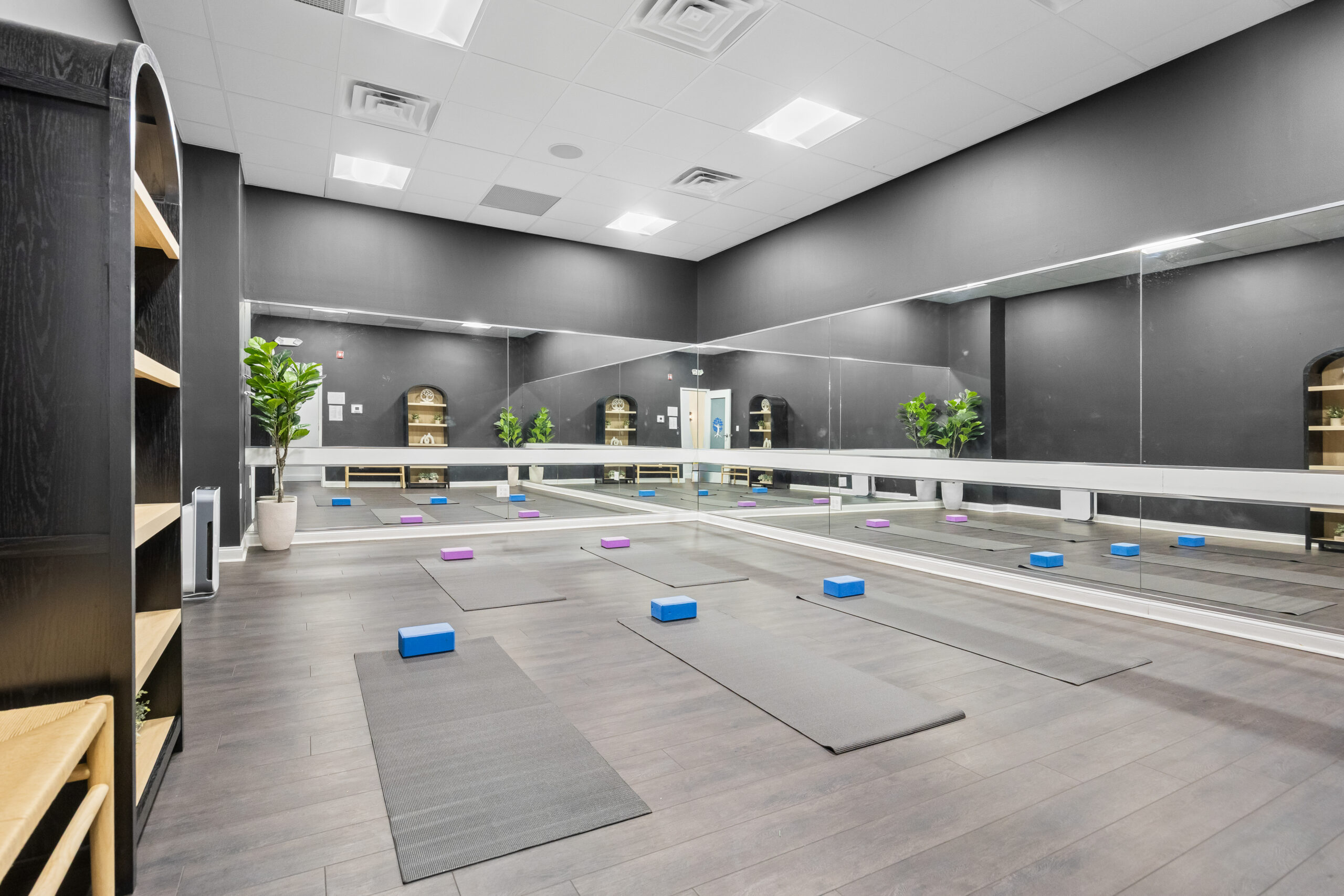
- When cleared by medical staff, access to yoga, meditation, gait training, or light fitness activities
- Quiet environments that reduce the sensory overload common in hospital settings
Pre-Discharge Planning (Final Days)
Before leaving acute rehab, the multidisciplinary team develops a comprehensive discharge plan that includes:
- Transition arrangements to the next level of care (residential, PHP, or IOP)
- Medication management protocols
- Safety planning for mental health concerns
- Family education and communication
- Aftercare appointments scheduled
The Legacy Healing Center Approach to Acute Rehabilitation
Legacy Healing Center operates luxury detox and stabilization facilities across Florida, New Jersey, Ohio, and California, providing evidence-based care that meets the highest standards in addiction medicine.
Clinical Model
The treatment philosophy integrates trauma-informed care with comprehensive rehabilitation for both addiction and mental health:
- Dual-diagnosis expertise that addresses substance use and co-occurring mental health conditions simultaneously
- Evidence-based therapies including CBT, DBT skills training, and trauma-focused approaches when appropriate after initial stabilization
- ASAM (American Society of Addiction Medicine) criteria compliance ensuring medical necessity and appropriate level of care
- Intensive therapy begins during detox rather than waiting for residential treatment
Continuum of Care
What sets Legacy Healing apart is the seamless transition from acute rehab into ongoing treatment:
- Residential treatment programs (30–90 days)
- Partial Hospitalization Programs (PHP)
- Intensive Outpatient Programs (IOP)
- Outpatient therapy
- Long-term alumni support and community connection
This coordinated process means clients never fall through the cracks between levels of care—the same organization guides their entire care journey.
Personalization
Personalized treatment plans account for:
- Specific substance or substances involved
- Mental health history and current symptoms
- Medical conditions requiring attention
- Family situation and home environment
- Client goals for career, relationships, and life after treatment
Family Integration
With client consent, families receive structured updates, participate in education groups, and receive guidance on creating safe, supportive home environments. This family involvement improves long-term outcomes and helps everyone prepare for the transition home.
Access and Admissions
If you or a loved one needs acute rehabilitation, Legacy Healing Center offers 24/7 admissions support. Verify your insurance online or call 888-534-2295 to speak with an admissions specialist about same-day or next-day placement.

Transitioning After Acute Rehab: Next Steps in Recovery
An acute rehabilitation facility is the starting point, not the endpoint, of sustainable recovery from addiction and co-occurring mental health disorders. The goal of acute rehab is to help individuals regain function and stability so they can engage fully in the therapeutic work that leads to lasting change.
Step-Down Treatment Options
Depending on progress, home support, and risk factors, the transition from acute detox typically leads to:
- Residential treatment (30–90 days): For those who need continued 24/7 support and intensive therapy in a structured environment
- Partial Hospitalization Program (PHP): Offers comprehensive care during the day while allowing clients to return to a sober living environment in the evening
- Intensive Outpatient Program (IOP): Provides therapy and support several times per week while clients begin reintegrating into work and family life
Aftercare Planning
Before discharge from acute rehab, the care team ensures patients achieve clarity about their next steps:
- Relapse-prevention strategies tailored to each person’s triggers and risk factors
- Safety plans for mental health symptoms
- Medication management and psychiatric follow-up appointments
- Referrals for ongoing therapy, support groups, and community resources
- Recommendations for occupational therapy, physical therapy, or speech therapy if needed for complete recovery
Home and Work Reintegration
Returning to daily life after acute stabilization requires practical support:
- Gradual return-to-work plans that protect recovery
- Guidance on managing triggers in home and social environments
- Recommendations for ongoing telehealth or local therapy
- Transfer training for life skills that support an independent and satisfying life
Alumni and Community Connection
Legacy Healing Center’s alumni programs provide ongoing check-ins, peer support, and community events. These connections help individuals maintain accountability and experience the satisfying life that recovery makes possible.
The most complete recovery happens when acute rehab is just the first chapter of a longer story—one supported by evidence-based treatment, compassionate care, and a community that understands the journey.
Recovery from addiction and mental health challenges begins with the right foundation. A luxury acute rehabilitation facility provides the comprehensive care, comfort, and clinical expertise needed to safely navigate withdrawal and prepare for lasting change.
If you or someone you love is ready to take the first step, Legacy Healing Center is here 24/7. Verify your insurance online or call 888-534-2295 to speak with an admissions specialist about beginning your care journey today.