
Learning How Alcohol Damages the Liver
-
 By:
Valerie Puffenberger, PMHNP-BC
By:
Valerie Puffenberger, PMHNP-BC
-
 Editor:
Phyllis Rodriguez, PMHNP-BC
Editor:
Phyllis Rodriguez, PMHNP-BC
-
 Clinical Reviewer:
Dr. Ash Bhatt, MD, MRO
Clinical Reviewer:
Dr. Ash Bhatt, MD, MRO
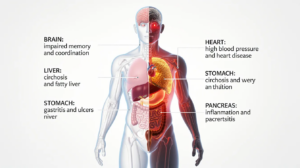
Alcohol consumption can significantly impact various organs in the body, but one of the most affected is the liver. As the primary organ responsible for detoxifying harmful substances, the liver bears the brunt of alcohol’s damaging effects. Over time, excessive drinking can lead to conditions such as fatty liver disease, cirrhosis, and liver failure.
How much alcohol does it take to damage your liver? The answer depends on a variety of factors, including the amount consumed and the individual’s overall health. Regardless, understanding how alcohol damages the liver is essential in recognizing the need for early intervention and treatment.
At Legacy Healing Center, we emphasize the importance of liver health and offer comprehensive alcohol detox in Cincinnati to support individuals in their recovery. If you’ve been drinking heavily and are concerned about liver damage, it’s crucial to learn the early signs of liver damage from alcohol and seek medical help.
How Alcohol Affects the Liver Over Time
The liver processes approximately 90% of the alcohol consumed, breaking it down into byproducts that can either be used by the body or removed. However, heavy drinking over time overloads the liver, causing inflammation that can progress to more serious diseases.
The first stage of damage is typically fatty liver disease, which occurs when excess fat builds up in liver cells. If not addressed, this can progress to alcohol-induced hepatitis and eventually cirrhosis, where the liver becomes scarred and unable to function effectively. This is how alcohol damages the liver, especially when consumption exceeds moderate levels.
Recognizing how much alcohol it takes to damage your liver is key to prevention. Generally, men who consume more than 15 drinks per week and women more than 8 drinks per week are at risk of liver damage.
➡️ Learn more about our specialized alcohol treatment programs in Cincinnati designed for those experiencing long-term liver stress due to alcohol abuse.
Early Signs of Liver Damage from Alcohol
Identifying the early signs of liver damage can help prevent irreversible complications. Common symptoms include:
- Jaundice (yellowing of the skin or eyes)
- Swelling in the legs or abdomen
- Fatigue and weakness
- Easy bruising
- Confusion or trouble concentrating (from toxin buildup)
Can the Liver Heal Itself After Alcohol?
The good news is that the liver can repair itself to some degree. Signs your liver is healing from alcohol may include:
- Improved energy levels
- Reduction in jaundice
- Normalized liver enzyme levels
If you’re seeing these positive changes, it’s a sign your body is responding well to recovery. Consistent care, healthy habits, and medical guidance can accelerate this process.
Want a deeper look at how the liver heals after drinking? Read our guide on repairing the liver after alcohol abuse for timelines, tips, and expert recovery advice.
What Is Alcohol-Related Liver Disease (ALD)?
Alcohol-related liver disease (ALD) is a result of drinking more alcohol than the liver can process, which damages the organ. The liver helps the body discard the toxins it does not need. As the liver breaks down alcohol, the chemical reaction releases a toxin, which damages liver cells. If too much alcohol is ingested repeatedly over time, even without getting drunk, liver damage begins to occur. When there is too much liver damage, it can impact the entire body. ALD leads to many fatalities.
Signs of alcohol-related liver disease can include:
- Stomach pains, nausea, and diarrhea
- Tenderness around the liver
- Unusual weight loss
- Unexplained fatigue and feelings of weakness
- Red palms and white fingernails
Steps to Repairing an Alcohol-Damaged Liver
If you’re wondering how to repair a damaged liver from alcohol, it starts by stopping alcohol consumption and seeking medical treatment. Our addiction specialists outline the steps you can take to help your liver heal:
- Abstain from alcohol: Stopping alcohol intake is crucial in preventing further liver damage.
- Eat a healthy diet: A nutrient-dense diet can help the liver repair itself.
- Stay hydrated: Drinking plenty of water aids in detoxifying the body.
- Exercise regularly: Physical activity helps improve overall health and supports liver function.
- Consult a medical professional: Getting regular checkups to monitor liver health and taking any prescribed medications are essential steps in healing.
Committing to these steps, combined with a dedicated treatment plan, can offer a path to recovery and healing. Our Cincinnati medical detox programs offered at Legacy Healing Center guide individuals through every step of liver recovery and overall health improvement.
How Alcohol Treatment Can Accelerate Healing
When it comes to reversing liver damage caused by alcohol, professional help is often necessary. Legacy Healing Center provides personalized treatment programs that address both the physical and psychological aspects of alcohol dependency. Whether you need an alcohol detox or a full rehabilitation program, seeking help can make all the difference in how quickly and effectively the liver can heal.
Our rehab facility in Cincinnati centers on holistic care that focuses on the whole person, helping individuals not only quit alcohol but also repair their bodies and rebuild their lives. If you’ve started noticing signs that your liver is healing, such as improved energy or reduced bloating, it’s a positive sign that you’re on the right path to recovery. However, consistent care and support are necessary to ensure a full recovery.
Seeking Help in Cincinnati Is One Call Away
Understanding how alcohol damages the liver can encourage people to taking action before the damage becomes permanent. The liver’s ability to heal is remarkable, but the key to recovery lies in early intervention and ongoing care.
At Legacy Healing Center, our comprehensive addiction therapy programs in Cincinnati help those struggling with alcohol abuse. Whether you’re just beginning to notice signs of a damaged liver from alcohol or you’ve already committed to recovery, our specialized programs support your healing journey.
If you or someone you know is struggling with alcohol abuse, don’t wait until it’s too late. Reach out today to take the first step toward healing your liver — and your life.
For more guidance and insights, explore our recovery blog for expert advice on sobriety and wellness.
Frequently Asked
Questions about Alcohol and Liver Healing
Can a liver heal itself after drinking alcohol?
Yes — in many cases, the liver can heal itself once alcohol consumption stops. If you’re in the early stages, like fatty liver disease, improvement can begin within a few weeks of sobriety. However, in later stages like cirrhosis, the damage may be permanent, though quitting alcohol can prevent it from worsening.
What happens to your liver after 7 days with no alcohol?
Within just 7 days of not drinking, inflammation in the liver may start to reduce, and liver enzymes can begin to normalize. Many people also notice clearer skin, better sleep, and more energy — early signs that your body is detoxing.
How long does it take to reverse fatty liver from alcohol?
Fatty liver recovery time depends on how much and how long you’ve been drinking. In mild cases, fat deposits in the liver can clear within 2–6 months of quitting alcohol and following a healthy lifestyle.
Can mild liver damage from alcohol be reversed completely?
Yes — mild liver damage can usually be fully reversed with early intervention, proper nutrition, and medical support. Quitting alcohol is the most important step. With consistent care, most people see measurable improvement within a few months.
Should I quit alcohol cold turkey if I have liver damage?
If you’ve been drinking heavily, quitting alcohol suddenly can trigger dangerous withdrawal symptoms. Always seek help through a medically supervised detox program to stay safe and comfortable.