

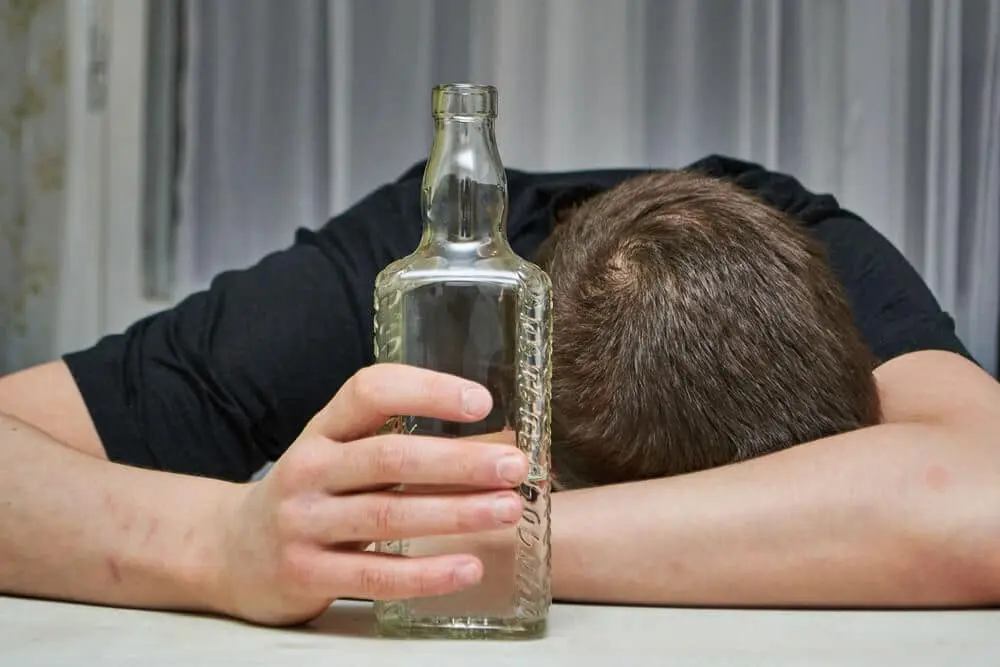
Learn How to Identify Alcohol Poisoning Symptoms
-
 By:
Valerie Puffenberger, PMHNP-BC
By:
Valerie Puffenberger, PMHNP-BC
-
 Editor:
Phyllis Rodriguez, PMHNP-BC
Editor:
Phyllis Rodriguez, PMHNP-BC
-
 Clinical Reviewer:
Dr. Ash Bhatt, MD, MRO
Clinical Reviewer:
Dr. Ash Bhatt, MD, MRO
Find out what factors determine alcohol poisoning levels in an individual.
Alcohol poisoning symptoms can come on quickly, and if you aren’t aware of the signs, the consequences can be deadly in some cases.
Experiencing alcohol poisoning happens when someone ingests a large amount of alcohol in a short amount of time. Alcohol is absorbed quickly by the body, but because most of the alcohol is metabolized by your liver, it can take a lot of time for all of the alcohol you drank to be flushed out of your system.
Alcohol poisoning treatment depends on the symptoms someone is experiencing, how much they drank, what they drank, and other factors. First, let’s take a closer look at how much alcohol can be too much, potentially putting someone at risk for alcohol poisoning. One drink of alcohol, or one serving size, is considered to be:
- 1.5 ounces of 80-proof liquor (40 percent alcohol)
- 5 ounce of wine (approximately 12 percent alcohol)
- About 9 ounces of malt liquor (about 7 percent alcohol)
- 12 ounces of beer (approximately 5 percent alcohol)
If you or someone you love has been drinking mixed drinks, keep in mind that these usually contain more than one serving size of alcohol. Mixed drinks often take even longer for the body to fully metabolize.
It is also wise to be aware of the signs of binge drinking, which occurs when someone ingests numerous alcohol beverages in a short period of time. For instance, for a man to binge drink, he will have rapidly consumed five or more alcoholic drinks within two hours. And for a woman, she would rapidly consume at least four alcoholic beverages in less than two hours.
Depending on how many drinks you have in a short amount of time, side effects you may experience are determined by the following:
• How much do you weigh?
• How would you consider your overall health to be?
• What percentage of alcohol was in your drinks?
• How many drinks did you have and what was the total time frame?
• Did you drink on an empty stomach?
• What is your alcohol tolerance? Do you drink on a regular basis or rarely?
All of these factors will determine your alcohol poisoning level risk. It is also important to remember that not all alcohol poisoning cases occur because someone drank too many alcoholic beverages in a short amount of time.
While alcoholic beverages typically contain ethyl alcohol, other forms of alcohol such as isopropyl, ethylene or methanol glycol can be found in cleaning products, rubbing alcohols, cleaning products, paint, and antifreeze. If these are accidentally swallowed by a baby or child, alcohol poisoning can occur.
Identify Alcohol Poisoning Symptoms
So, how can you tell if someone is experiencing alcohol poisoning symptoms? Here are signs and behaviors to look out for:
- Vomiting
- Seizure
- Confusion
- Slow, shallow breathing
- Pale or blue skin
- Low body temperature and/or shaking
- Unconscious and cannot be woken up
- Irregular breathing patterns and long gaps of not breathing
Once alcohol poisoning has occurred, severe complications can arise, including:
- Hypothermia
- Irreversible brain damage
- Choking on vomit, as alcohol poisoning stops one’s gag reflex
- Irregular heartbeat or causing one’s heart to stop
- Death
If you plan to drink, remember to drink in moderation and enjoy your drink slowly. Also, remember to eat food while drinking, which may help slow the absorption of alcohol.
Don’t forget however that food in your stomach will not prevent symptoms of alcohol poisoning if you are binge drinking.
Last, share the realities of alcohol poisoning with your children and teens. There is a lot of research that shows open conversations between parents and teens about alcohol use can greatly influence a child’s decision regarding drinking alcohol.
Learn more about alcohol poisoning treatment and how to get long-term alcohol addiction help at Legacy Healing Center. With a variety of programs and treatment options, achieving sobriety is closer than you may think. Call us today at 888-597-3547.
At Legacy Healing Center, our approach to recovery is built around a holistic methodology. We look at addiction as a comprehensive issue and offer a complete set of services to heal the physical body, the mind, and the spirit. Combining research-evidenced practices from medicine and psychology, our team of highly trained professionals looks at all aspects of our clients’ lives on an individual basis. Our holistic approach to healing encompasses more than dealing with addiction through primary treatment strategies like therapy and meetings. We offer a full range of services to heal the whole person, body, mind, and spirit.