

Key Facts About Alcoholism in Older Adults
-
 By:
Valerie Puffenberger, PMHNP-BC
By:
Valerie Puffenberger, PMHNP-BC
-
 Editor:
Phyllis Rodriguez, PMHNP-BC
Editor:
Phyllis Rodriguez, PMHNP-BC
-
 Clinical Reviewer:
Dr. Ash Bhatt, MD, MRO
Clinical Reviewer:
Dr. Ash Bhatt, MD, MRO
What Is Alcoholism?
The term alcoholism gets thrown around a lot, but many people don’t really understand what it means. This can be especially true of older Americans who came up in a generation that didn’t understand alcoholism as a disease, the way we do today. Alcoholism involves more than just excessive drinking and it’s important to understand what this illness entails and how to tell if you or someone you care about suffers from it.
Alcoholism, or alcohol use disorder, refers to an actual addiction. And like other types of addiction, quitting drinking on your own can be difficult if not impossible. That’s because alcohol addiction is a disease with significant physical, mental, and emotional components, and just like any other disease, proper treatment in the form of professional medical care is needed to successfully reverse it.
There’s a common assumption that people suffering from alcoholism and alcohol use disorders are younger. However, this logic is far from the truth, seniors are often at special risk for problem drinking and the development of alcoholism.
Reasons People Start Drinking or Using Drugs
The road to alcohol and drug abuse is sometimes a long and complicated one, and sometimes it is quick and direct. No two people take the same path to addiction.
There are many reasons people, including seniors, begin to drink to excess or use other substances. Some may turn to these substances following a personal loss, including the death of a spouse. Others may feel isolated and lonely when their children move away, while some may experience disruptions in their working lives that make alcohol seem like a good solution. But no matter the reason, alcohol use disorder is a serious, potentially deadly problem, and it should never be ignored.
Click here to speak with a treatment specialist today or call us anytime 24/7 at (888) 534-2295
Symptoms of Alcohol Abuse
Alcoholism can have several warning signs, and none of these should be ignored. If you notice any of the following in yourself or someone you care about, it is important to intervene and seek help right away.
- DUI arrests
- Blacking out
- Problems with employment, including drinking on the job
- Cravings for alcohol
- Physical symptoms when drinking stops
Long-Term Effects of Alcohol
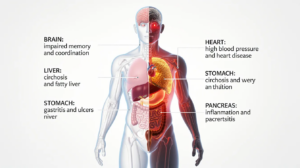
Alcohol use disorder is a serious illness that can have devastating and even fatal consequences. The physical side effects include dangers like:
- liver damage and cirrhosis
- shrinking brain
- heart damage
- cancer
- lung infections
- pancreatitis
- frequent diarrhea
- numbness in hands and feet
- complications of diabetes
- muscle cramps
- thinning bones
- changes in coordination
- fatigue
At the same time, the mental and emotional impacts of alcohol may include:
- changes in mood and behavior
- memory loss
- hallucinations
- problems with employment
- damaged relationships
If you notice any of these issues in yourself or someone you love, it is important to seek help as soon as possible. The sooner you act, the better since alcoholism and alcohol use disorder will only worsen over time.
Prevalence of Alcohol Abuse in Older Adults
The amount of alcoholism and substance abuse in older adults remains higher than you might think. According to a recent study, as many as 10% of seniors suffered from alcohol use disorder.
Being older does not mean you are immune to the dangers of alcoholism, far from it. As you age, you may be more prone to alcoholism than you were before, not less.
Risk Factors for Seniors Who Drink
The senior population is often at additional risk when it comes to alcoholism and problem drinking. There are many reasons this is true, and understanding those risk factors is essential for seniors and the people who care about them.
Loneliness
Senior citizens often live alone, and that social isolation can make alcoholism and excessive drinking more likely.
Grief
Those in the senior age range are also more likely to be widowed, and in their sorrow, they may turn to drugs and alcohol for solace.
Pre-existing Conditions
Seniors have more pre-existing health conditions that can be exacerbated by alcohol abuse including diabetes, heart disease, osteoporosis, and memory problems.
Risk of Falling
Seniors are more likely to suffer physical injuries such as falling related to alcohol consumption. The consequences for a fall in an older person are also more severe than they are for a younger person.
Interactions with Medications
Because seniors tend to take multiple medications, they’re at greater risk of a bad interaction between medication and alcohol.
Seeking Treatment for Alcohol Addiction for Older Adults
It’s easy to think of alcoholism and alcohol abuse as a young person’s problem. In reality, no one, no matter what their age or stage in life, is immune to the dangers of excessive alcohol consumption.
From teenagers to seniors and everyone in between, no one avoids risk. If you’re worried about an older friend or family member, you should seek help. If you’re concerned about your excessive drinking, the time to reach out is now. Help is always available. Contact Legacy Healing Center any time day or night to begin your journey to overcoming alcoholism. Calls are completely confidential, call 888.534.2295 today.