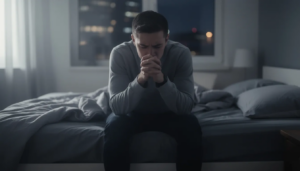


How to Get Off Anti-Anxiety Medication
-
 By:
Valerie Puffenberger, PMHNP-BC
By:
Valerie Puffenberger, PMHNP-BC
-
 Editor:
Phyllis Rodriguez, PMHNP-BC
Editor:
Phyllis Rodriguez, PMHNP-BC
-
 Clinical Reviewer:
Dr. Ash Bhatt, MD, MRO
Clinical Reviewer:
Dr. Ash Bhatt, MD, MRO
What Are Anti-Anxiety Drugs?
Anti-anxiety medication is a large class of pharmaceutical prescription drugs that help reduce anxiety symptoms, like panic attacks, fear, and worry. Benzodiazepines (aka benzos) are the most common type of anti-anxiety medication. They can help regulate sleep, are used for sedation purposes in medical procedures, and are also used to help treat seizures and alcohol withdrawal symptoms.
Benzodiazepines are often prescribed when a person exhibits feelings like worry, insomnia, stress, and panic for a prolonged period. Patients may feel severely distressed, and the anxiety may make them feel physically ill and negatively affect their behavior. Benzos can be prescribed for short-term relief of these issues, as they enhance the GABA neurotransmitter, a brain chemical that promotes calm feelings, producing drowsiness.
Some of the most common anti-anxiety drugs are:
- Clonazepam (Rivotril)
- Oxazepam (Serax)
- Alprazolam (Xanax)
- Diazepam (Valium)
- Lorazepam (Ativan)
- Bromazepam (Lectopam)
- Chlordiazepoxide (Librium)
- Clorazepate (Tranxene)
These medications come in tablets or capsules to be taken orally, and some come in a tablet that can be dissolved under the tongue or in a solution that can be injected.
Click here to speak with a treatment specialist today or call us anytime 24/7 at (888) 534-2295
Why Get Off Anti-Anxiety Meds?
Benzodiazepines are not miracle drugs. They have specific side effects that you should be aware of and potential for abuse that can become addictive. Tolerance can develop in the body within a few weeks, and so they are usually only prescribed for short-term or occasional use. You can achieve some of the same effects benzodiazepines can produce in your body through exercise, reducing stress in your life, and speaking with a therapist.
Side Effects of Anti-Anxiety Meds
The most common side effects of benzodiazepines are drowsiness, sedation, dizziness, and loss of balance, but when abused or taken at high doses, they can also include confusion, disorientation, amnesia, depression, and difficulty breathing. Hallucinations, nightmares, and agitation can also occur in rare cases.
Because they have a sedative effect on parts of the central nervous system and the brain, benzos can make learning and retaining information challenging, and physical and mental tasks become more difficult. Benzos can also make you feel hungover and cause prolonged drowsiness.
How to Safely Taper Off Anti-Anxiety Meds
With all of this information, you may be wondering how to get off anti-anxiety medication safely and effectively. Medical detox is strongly recommended for safely tapering off anti-anxiety medication use. Because there is the possibility of severe or even life-threatening withdrawal symptoms when quitting any type of benzodiazepine and other anti-anxiety medications, a slow taper method under the watchful eye of medical professionals is the safest way to stop using them.
General withdrawal symptoms can include headache, stomach issues, tension, anxiety, insomnia, sweating, sensory disturbances, and fatigue. Severe withdrawal symptoms may include agitation, delirium, paranoia, and seizures, leading to brain damage or death if a doctor is not treated.
At Legacy Healing, we offer a safe and effective medical detox program for addiction treatment that will ensure you remain healthy as the anti-anxiety medications leave your system. With 24-hour, round-the-clock monitoring, as well as remedies available to you that will ease your withdrawal symptoms, you will not need to worry about suffering as your body detoxes.
You will also receive addiction treatment for the coexisting causes of your anxiety through therapy and counseling in our medical detox program, which will help you stop using the medication as you will no longer have the underlying anxiety.
Dual Diagnosis Treatment for Anxiety and Addiction
At Legacy Healing’s detox and rehab center, we provide a dual diagnosis program for anxiety and addiction that incorporates prescription drug rehab with mental health care in one integrated program. The underlying issues that cause addiction and the underlying problems that cause anxiety are often the same. Other times, the addiction can be making you anxious, or you may be self-medicating for your anxiety by abusing drugs or alcohol. Addiction and mental illness are interconnected, and a dual diagnosis program at Legacy will help you deal with everything at one time to move on with your life with control over your mental and physical health.
Contact us at 888.534.2295 today to learn more about our medical detox program, dual diagnosis, and how to stop using benzodiazepine anti-anxiety medications safely and effectively.
Related Readings
The Dangers of Self-Medicating
Ibogaine Treatment for Opioid Addiction
Find out how you can get off of anti-anxiety medication at Legacy! #antianxietymedication https://t.co/XQT0TjdsGK
— Legacy Healing Center (@LegacyHealingC1) December 9, 2021