

How Drugs and Oral Health Negatively Intertwine
-
 By:
Alex Herrera
By:
Alex Herrera
-
 Editor:
Phyllis Rodriguez, PMHNP-BC
Editor:
Phyllis Rodriguez, PMHNP-BC
-
 Clinical Reviewer:
Dr. Ash Bhatt, MD, MRO
Clinical Reviewer:
Dr. Ash Bhatt, MD, MRO
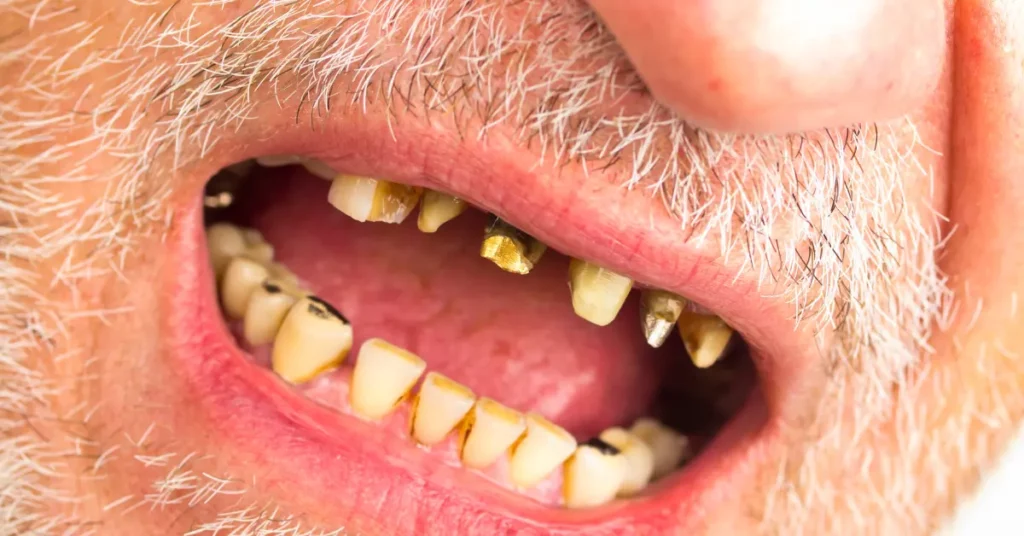
While many people who think of drug abuse imagine the damage done to the lungs, stomach, heart, or brain, there are also many types of drugs that damage the teeth and gums. You may notice that many drug addicts have bad teeth. That is because drugs and oral health don’t mix well. Drugs such as methamphetamine, heroin, cocaine, ecstasy, and even marijuana can cause problems for your teeth and gums.
Many illegal drugs have the ability to severely damage a person’s teeth and even cause tooth loss if steps are not taken to stop the drug use and obtain dental care. Because of this, here at our treatment center in Cherry Hill, NJ, we want to make sure that people who take drugs understand exactly how the substance they are abusing is damaging their teeth and that they should get the help they need to stop.
Here are a few of the main reasons why drugs affect your oral health:
- Many drugs are the cause of mouth. This means you make less saliva, but your body needs saliva to clean your teeth.
- Drugs that are stimulants, like meth, cocaine, and ecstasy, can make you clench or grind your teeth. This causes the weakening of your teeth and can even make them break. It also can cause pain in your jaw.
- If you abuse drugs, especially stronger ones like meth or heroin, you’re less likely to care for your oral health or receive dental care. This can let decay worsen more quickly than you realize.
- Many people who use drugs also smoke. This can make the effects of drug use on your teeth and in your mouth worse.
Different Types of Drugs That Affect Oral Health
Many different types of drugs can wreak havoc on an individual’s teeth, gums, and even on their entire mouth. Due to the level of addiction, most people just completely neglect any thought of how these drugs will negatively impact their dental hygiene.
- Methamphetamine (Meth) – This substance is notorious for causing tooth decay and the overall decline of oral hygiene. Meth causes an extremely rapid decline in oral hygiene because blood vessels in the gums begin to shrink and die. This leads to an array of additional problems with an individual’s gums.
- Cocaine – The way cocaine causes dental damage depends on how an individual consumes it. If cocaine comes in contact with someone’s teeth, the acidity of the substance will break down its enamel. This leads to damage to the teeth, mainly decay.
- Amphetamines – Just like ecstasy, MDM, and Molly, amphetamines are stimulants that can increase anxiety and cause users to grind their teeth. They can also lead to dry mouth, increase the mouth’s acidity, and rot tooth enamel.
- Marijuana – Weed or marijuana causes dry mouth, which increases the acidity in the mouth and negatively affects tooth enamel. Marijuana can also lead to mouth cancer.
- Opioids – Opioid medications that are dissolved in the mouth can lead to poor oral hygiene, including tooth decay, cavities, oral infections, and the loss of teeth. This can be serious and has been reported even in patients with no prior history of dental issues.
Our Team at Legacy Healing Is Here to Help
Substance use disorder can affect you or your loved one’s life in a variety of ways, including dental health. After reading the above, you now have a bit more in-depth knowledge surrounding the negative correlation between drugs and oral health. Knowing this, and for help in avoiding sustaining life-changing damage to your gums, teeth, and your entire mouth, consider attending an addiction treatment program.
For more information about our levels of care and other therapy programs, call Legacy Healing Center today at (856) 263-4965