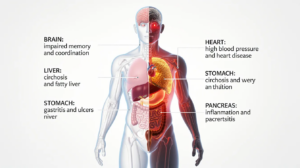


Feening Meaning: Understanding Drug Cravings and Their Role in Addiction
-
 By:
Valerie Puffenberger, PMHNP-BC
By:
Valerie Puffenberger, PMHNP-BC
-
 Editor:
Phyllis Rodriguez, PMHNP-BC
Editor:
Phyllis Rodriguez, PMHNP-BC
-
 Clinical Reviewer:
Dr. Ash Bhatt, MD, MRO
Clinical Reviewer:
Dr. Ash Bhatt, MD, MRO
Key Takeaways:
- Feening meaning and how to cope with cravings.
- Feening signals a severe stage of addiction requiring professional treatment.
- Early intervention—especially during active craving episodes—improves recovery outcomes.
- Comprehensive care (detox, MAT, therapy, support groups) works best for managing cravings.
- Reducing stigma encourages people to seek help without shame.
What Does “Feening” Mean in Drug Addiction?
Feening means experiencing overwhelming drug cravings and compulsive drug-seeking behavior that signal severe substance use disorder and substance dependence. The slang term “feening” (sometimes spelled “fiending”) is often used to describe intense cravings for addictive substances like heroin, alcohol, or prescription medications that override rational decision-making. Unlike mild urges, feening is linked to physical symptoms such as sweating, shaking, and nausea, as well as psychological symptoms including anxiety, obsessive thoughts, and emotional distress. These combined effects often drive people to take dangerous risks to obtain substances.
At Legacy Healing Center, we see feening for drugs as an urgent red flag that professional addiction treatment is needed. Recognizing this symptom early can help individuals and families seek treatment before negative consequences escalate. Understanding feening is crucial because it helps families recognize drug addiction earlier, supports healthcare professionals in diagnosing and treating substance use disorders, and empowers individuals to enter comprehensive addiction treatment programs that provide proper treatment for both the physical and psychological aspects of addiction.
Whether you are struggling personally, supporting a loved one, or working in healthcare, recognizing when someone is experiencing intense cravings can be the difference between overcoming addiction and falling deeper into severe addictions. This guide explains the meaning of feening, its warning signs, and the most effective ways to address it through evidence-based treatment programs designed to prevent relapse and support long-term addiction recovery.
How Is Feening Different From Regular Cravings?
Feening is not just a strong urge—it is a medical-level symptom of drug addiction that combines physical dependence, psychological symptoms, and uncomfortable withdrawal symptoms. Unlike regular cravings, which are manageable urges often linked to routine or environment, feening signals that the brain’s reward system has been rewired by prolonged substance use such as drug misuse or alcohol dependence.
Key Differences Between Cravings and Feening
- Regular cravings: Manageable urges, often triggered by routine or environment, and sometimes addressed through developing coping strategies or willpower.
- Symptoms of feening: Intense cravings paired with physical symptoms (shaking, sweating, nausea), psychological symptoms (anxiety, obsessive thoughts, emotional distress), and behavioral changes such as lying, stealing, or neglecting responsibilities.
Related Terms That Clarify the Meaning of Feening
- Withdrawal symptoms — the physical aspects and mental effects that occur when stopping prolonged substance use.
- Physical dependence — the body’s adaptation to drugs, requiring continued use to manage withdrawal and avoid discomfort.
- Psychological dependence — mental reliance on substances to cope with stress or mental health issues.
- Substance use disorder — the clinical diagnosis for drug or alcohol addiction as defined in the Diagnostic and Statistical Manual (DSM-5).
Why This Distinction in Intense Drug Cravings Matters
Feening also connects directly to the progression of addiction:
Drug use → Physical dependence → Withdrawal → Feening for drugs → Compulsive drug-seeking behavior.
This distinction matters for patients, families, and healthcare providers. Recognizing when someone is experiencing intense cravings highlights the need to seek treatment quickly. Feening typically requires professional help—medically supervised detox to safely managing the symptoms of withdrawl, evidence-based therapy, and structured outpatient treatment programs—because it represents both a withdrawal symptom and a driving force behind continued substance abuse.
For individuals and the addiction community, treating feening as a symptom of mental health disorders rather than a moral failing helps reduce the stigma surrounding addiction. With the right care, people can begin overcoming addiction, manage triggers, and move toward a substance-free life.
Why Is Recognizing Feening So Important?
Recognizing the symptoms of feening for drugs is critical because it signals advanced drug addiction and substance use disorder (SUD), where intense cravings, psychological compulsion, and compulsive drug use rarely improve without professional treatment. According to the Substance Abuse and Mental Health Services Administration (SAMHSA), individuals craving drugs at this level face relapse rates of more than 85% if left untreated.
Why Early Recognition Matters
- For Families: Spotting the difference between ordinary cravings and medical-level feening helps loved ones know when home-based recovery attempts are no longer safe and when to seek detox, inpatient treatment, or peer support options such as Narcotics Anonymous.
- For Healthcare Providers: Recognizing feening as a clinical symptom allows physicians, therapists, and addiction specialists to intervene early, reducing the risk of overdose, criminal activity, and other dangerous consequences of untreated opioid or alcohol misuse.
- For Individuals: Understanding that feening is not simply a “lack of willpower” but a symptom rooted in brain changes, mental disorders, and other underlying causes reduces shame and encourages people to seek professional help sooner.
Breaking Stigma and Saving Lives
Feening should be treated like any other medical emergency—similar to chest pain signaling heart disease or seizures signaling a neurological disorder. By framing feening as a legitimate health symptom, families and communities can reduce stigma, encourage treatment access, and support better outcomes.
Studies from the National Institute on Drug Abuse (NIDA) and the Centers for Disease Control and Prevention (CDC) show that early treatment for severe cravings dramatically improves long-term recovery rates, especially when combined with Medication-Assisted Treatment (MAT), behavioral therapies, and identifying triggers that contribute to relapse.
What Are the Symptoms of Feening?
Feening symptoms go beyond ordinary cravings and include physical discomfort, psychological distress, and compulsive behaviors that interfere with daily life. Unlike mild urges, feening overwhelms normal decision-making and often drives risky or dangerous behavior driven by the drug addiction.
Physical Symptoms
- Sweating, shaking, or tremors unrelated to physical activity
- Muscle aches, joint pain, and extreme fatigue
- Nausea, digestive issues, or vomiting
- Disturbed sleep cycles and difficulty falling asleep
- Rapid changes in appetite or weight
Psychological and Mental Symptoms
- Obsessive thoughts about obtaining drugs or alcohol
- Severe anxiety, panic attacks, or emotional instability
- Depression, irritability, and mood swings
- Inability to focus on work, school, or family
- Feelings of hopelessness without access to substances
Behavioral Warning Signs
- Neglecting personal, family, or professional responsibilities
- Risk-taking to obtain drugs (e.g., unsafe behavior, criminal activity)
- Isolating from supportive relationships
- Lying or stealing to sustain alcohol or drug use
- Prioritizing substance use over food, shelter, or safety
Symptoms of Feening vs. Mild Cravings vs. Severe Withdrawal
| Symptom Category | Mild Cravings | Feening (Intense Cravings) | Severe Withdrawal |
|---|---|---|---|
| Physical | Restlessness | Sweating, shaking, muscle pain | Nausea, vomiting, seizures |
| Mental | Thinking about substances | Obsessive thoughts, anxiety, panic | Confusion, hallucinations, delirium |
| Behavioral | Minor mood changes | Risky behavior, neglecting responsibilities | Dangerous drug seeking, criminal acts |
| Duration | Hours to days | Days to weeks | 3–30 days, varies by substance |
| Life Impact | Minimal disruption | Significant life impairment | Complete dysfunction |
| Treatment Urgency | Outpatient support | Professional intervention needed | Medical emergency |
If feening disrupts daily functioning or triggers risky behavior, professional treatment is essential.
What Causes Feening and What Triggers It?
Feening is caused by a combination of biological, psychological, and environmental factors. It occurs when the brain’s reward system adapts to prolonged drug or alcohol use, creating a state where normal functioning feels impossible without substances.
Common Triggers for Feening
Environmental Triggers:
- Places associated with past drug or alcohol use
- Social circles where substance use is common
- Work or relationship stress that heightens cravings
- Exposure to drug paraphernalia, advertisements, or media references
Emotional Triggers:
- Stress, anxiety, or depressive episodes
- Feelings of loneliness, isolation, or low self-worth
- Unresolved trauma or painful life experiences
Physical Triggers:
- Sleep deprivation or disrupted sleep cycles
- Poor nutrition or skipping meals
- Existing health conditions that increase pain or stress response
Biological Causes of Feening
- Genetics: Some people inherit a higher vulnerability to substance use disorders.
- Brain chemistry changes: Long-term drug or alcohol use alters the limbic system and central nervous system, making it difficult to regulate emotions and body sensations without substances.
- Underlying mental health conditions: Anxiety disorders, depression, or PTSD often intensify cravings and make recovery more difficult.
- Physical dependence: Once the body adapts to drugs, withdrawal symptoms and muscle tension reinforce the cycle of craving.
Tools to Identify Personal Triggers
- Craving journals: Track when cravings occur, what triggered them, and how your body responds.
- Mobile recovery apps: Provide reminders, coping strategies, and daily check-ins.
- Therapy sessions: Cognitive Behavioral Therapy (CBT) and trauma-informed therapy help patients connect cravings to underlying thought patterns.
- Support groups: Sharing triggers in group therapy reduces shame and builds accountability.
How Do You Address Feening for Drugs Safely?
Feening should always be treated as a medical and psychological emergency because willpower alone cannot resolve the intense drug cravings, withdrawal symptoms, and compulsive behaviors associated with substance use disorder. Safe recovery requires professional intervention that combines medical detox, behavioral therapy, and holistic support.
Evidence-Based Clinical Interventions for Physical Dependence
- Medical Detox: Supervised withdrawal management ensures patient safety during the most dangerous stage of recovery. Under the care of licensed physicians, patients receive medications to prevent seizures, stabilize vital signs, and reduce the negative effects of withdrawal.
- Medication-Assisted Treatment (MAT): FDA-approved medications such as methadone, buprenorphine (Suboxone), and naltrexone (Vivitrol) normalize brain chemistry, reduce cravings, and block the euphoric effects of opioids or alcohol. MAT is endorsed by the Substance Abuse and Mental Health Services Administration (SAMHSA), the FDA, and the CDC as the gold standard for opioid and alcohol addiction treatment.
- Inpatient & Outpatient Programs: Structured treatment settings offer therapy, counseling, and psychosocial treatment. Inpatient rehab provides 24/7 support for severe cases, while outpatient care offers flexibility for clients balancing work or family responsibilities.
Addressing the Psychological Dependence of Intense Cravings
- Trigger Identification & Management: Clients learn to recognize high-risk situations—such as specific environments, social interactions, or emotional states—through recovery tools like craving journals, CBT-based therapy, and mindfulness apps.
- Therapy for Root Causes: Evidence-based approaches such as trauma-focused CBT, EMDR, and group therapy address underlying issues like childhood trauma, depression, or anxiety disorders that drive compulsive drug-seeking.
Holistic and Whole-Person Healing at a Luxury Addiction Treatment Center
At Legacy Healing Center, feening treatment is not limited to medications. Our luxury rehab programs integrate:
- Mindfulness and meditation practices to calm the nervous system.
- Nutrition and fitness programs to repair physical health and support healthy weight.
- Spiritual and emotional wellness therapies to restore inner peace and resilience.
Addiction Recovery and Emergency Resources for Immediate Help
- SAMHSA Helpline: 1-800-662-HELP (24/7 confidential support and treatment referrals).
- Crisis Text Line: Text HOME to 741741 for immediate crisis support.
- Emergency Departments: For life-threatening withdrawal symptoms or suicidal thoughts, local ERs provide critical stabilization before transfer to addiction treatment programs.
What Mistakes Should Be Avoided When Managing Feening?
The biggest mistakes in managing feening include ignoring symptoms, attempting unsupervised detox, and using stigmatizing language—all of which increase health risks and reduce the likelihood of recovery.
Common Errors That Put Recovery at Risk
- Ignoring Severe Cravings
- Feening is not a phase that passes with time; it is a medical-level symptom of substance use disorder (SUD).
- According to the Substance Abuse and Mental Health Services Administration (SAMHSA), untreated cravings lead to relapse in more than 85% of cases.
- Hoping cravings “fade away” often allows the condition to worsen until medical intervention becomes unavoidable.
- Attempting Detox Without Supervision
- With substances like alcohol, opioids, and benzodiazepines, withdrawal can trigger seizures, delirium tremens (DTs), or life-threatening cardiovascular complications.
- Professional medical detox provides FDA-approved medications (such as buprenorphine for opioid withdrawal or benzodiazepine tapering protocols) to stabilize the body and prevent fatal outcomes.
- Detoxing at home without supervision is one of the leading causes of relapse, overdose, and medical emergencies.
- Using Stigmatizing or Shaming Language
- Labeling someone as “weak,” “lacking willpower,” or “choosing addiction” increases shame and delays treatment-seeking.
- Addiction is recognized by the National Institute on Drug Abuse (NIDA) as a chronic brain disease, not a moral failing.
- Families and providers who adopt supportive, nonjudgmental language help reduce stigma and encourage treatment access.
Pro Tip for Families and Providers
Treat feening like chest pain or stroke symptoms—as a medical emergency requiring immediate care. Quick intervention with Medication-Assisted Treatment (MAT), supervised detox, and structured therapy greatly increases the chances of safe withdrawal, reduced cravings, and long-term recovery.
Why Feening Requires Immediate Action
Feening requires immediate action because it signals a severe stage of substance use disorder (SUD) where cravings, withdrawal symptoms, and compulsive drug-seeking behavior can quickly lead to relapse, overdose, or other life-threatening consequences if left untreated.
Why Acting Quickly Saves Lives
- Medical Urgency: According to the Substance Abuse and Mental Health Services Administration (SAMHSA) and the National Institute on Drug Abuse (NIDA), untreated severe cravings are associated with relapse rates above 85%, and in cases involving opioids or alcohol, withdrawal can become fatal without medical supervision.
- Better Recovery Outcomes: Early intervention—especially when clients are actively experiencing feening episodes—improves engagement in treatment, increases retention in care, and reduces long-term relapse risk.
- Comprehensive Treatment Works Best: The most effective recovery plans combine medical detox, Medication-Assisted Treatment (MAT), evidence-based therapies (such as Cognitive Behavioral Therapy and EMDR), and peer or family support groups to address both the biological and psychological aspects of addiction.
- Reducing Stigma Matters: Framing feening as a medical condition—not a moral weakness—encourages more people to seek help before the consequences escalate.
Immediate Help at Legacy Healing Center
If you or someone you love is experiencing feening, do not wait—early, professional treatment makes the difference between relapse and recovery. At Legacy Healing Center, our luxury treatment programs in New Jersey, California, and Ohio combine:
- Medical detox with 24/7 monitoring to stabilize withdrawal safely.
- MAT programs using FDA-approved medications like methadone, buprenorphine, and naltrexone to reduce cravings.
- Trauma-informed therapy and counseling to resolve underlying triggers.
- Holistic healing options—including yoga, mindfulness, nutrition, and fitness—to restore balance to mind and body.
All care is delivered in private, supportive environments designed for safety, comfort, and long-term healing.
Take the next step now:
Verify Insurance| Explore Programs | Call (888) 534-2295 to speak directly with a treatment specialist.
Frequently Asked
Questions about Feening Meaning
Is feening the same as drug cravings?
No. Feening refers to extreme, overwhelming cravings that disrupt daily functioning and drive compulsive drug-seeking behavior, often linked to withdrawal symptoms and physical dependence. Mild cravings, in contrast, may pass with time or coping strategies, but feening typically requires medical detox and structured addiction treatment to resolve safely.
How long does feening last?
The duration varies by substance and severity of substance use disorder (SUD). For example, opioid cravings may persist for months, while alcohol or benzodiazepine cravings often last for several weeks. According to the Substance Abuse and Mental Health Services Administration (SAMHSA), using Medication-Assisted Treatment (MAT) and therapy significantly reduces both intensity and duration of feening episodes.
Can feening happen with prescription medications?
Yes. Many people develop dependence on prescription opioids, benzodiazepines, or stimulants after legitimate medical use. Over time, the body adapts, and stopping or reducing these medications can trigger withdrawal symptoms and lead to feening—even if there was no intentional misuse.
What’s the difference between feening and feigning?
- Feening: Genuine, overpowering cravings caused by physical and psychological dependence.
- Feigning: Pretending to have symptoms in order to obtain drugs, often seen in cases of substance misuse or diversion.
Both indicate problematic substance use, but feening is a medical symptom of addiction requiring urgent treatment.
Is feening dangerous?
Yes. Feening often leads to high-risk behaviors like unsafe drug use, criminal activity, or overdose. In cases involving alcohol or benzodiazepine withdrawal, attempting to stop without medical supervision can be life-threatening. Immediate evaluation by a physician or entry into a medical detox program is strongly recommended.
Can someone recover if they’re feening?
Absolutely. With the right support, recovery is possible. Comprehensive treatment that includes medical detox, MAT (methadone, buprenorphine, or naltrexone), trauma-informed therapy, and holistic care helps stabilize cravings, restore brain chemistry, and build long-term coping strategies. Many individuals not only stop feening but also achieve lasting recovery, improved relationships, and restored health.