

Dangers of Cocaine Addiction
-
 By:
Valerie Puffenberger, PMHNP-BC
By:
Valerie Puffenberger, PMHNP-BC
-
 Editor:
Phyllis Rodriguez, PMHNP-BC
Editor:
Phyllis Rodriguez, PMHNP-BC
-
 Clinical Reviewer:
Dr. Ash Bhatt, MD, MRO
Clinical Reviewer:
Dr. Ash Bhatt, MD, MRO
Cocaine Addiction: Dangers and Signs of Use
According to The American Addiction Centers, over 14 percent of Americans over 12 years of age have used it at least once. Cocaine stimulants the Central Nervous System causing an increase in energy levels, heart rate, and blood pressure. It produces a euphoric feeling for the user by flooding the brain with dopamine, a neurotransmitter in the brain responsible for feelings of pleasure.
Click here to speak with a treatment specialist today or call us anytime 24/7 at (888) 534-2295
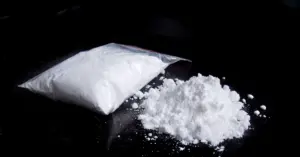
Cocaine comes in two different forms. The powder form is typically injected, snorted, or smoked. There is also a rock form, called crack cocaine, that is usually smoked. The Drug Abuse Warning Network (DAWN), reports that there has been a 40 percent increase in cocaine overdose deaths between 2001 and 2013.
Dangers of Cocaine Addiction
Due to the extremely addictive nature of cocaine, it is no wonder that it poses a significant risk to its users. With regular use, it can change the chemical makeup of the brain, making it extremely difficult to stop using without medical interventions. As with other substances, regular use can cause someone to develop a tolerance to it, requiring higher doses to produce the same high. Cocaine constricts blood vessels which causes dangerously high blood pressure. When users snort the drug, it can lead to nasal cavity damage and in some cases, may deviate the person’s septum. Common adverse effects of cocaine abuse include; headaches, hypertension, nausea, insomnia, chills, confusion, excessive sweating, and seizures.
Signs of Use
Oftentimes the appeal of cocaine is that is takes effect quickly and provides the user a feeling of intense happiness. The Genetic Science Learning Center at the University of Utah reports that when smoked, cocaine is sent to the brain very rapidly, followed closely by injection. Cocaine is a popular party drug, because users can experience fewer inhibitions, higher confidence, and decreased need to eat or sleep.
Physical signs of use can include:
- White residue around mouth or nose
- Needle marks from injection
- Burns around mouth or on hands
- Weight loss
- Dilated pupils that are sensitive to light
- Runny nose
- Frequent bloody noses
- Possession of drug paraphernalia such as syringes, pipes, spoons, straws, plastic baggies, etc
Emotional and personal signs of use:
- Changes in sleeping and eating patterns
- Frequent mood swings
- Increase in risky behaviors
- Engaging in unsafe sexual encounters
- Excessive spending and financial troubles
- Social isolation
- Lack of concern for appearance and hygiene
- Irritability
- Depression
Getting Help
Addiction is a disease that affects the motivation and reward circuitry in the brain. Cocaine addiction often causes the user to feel they need the drug to feel balanced and “normal”. Symptoms of withdrawal can include fatigue, increased appetite, irritability, depression, and nightmares. Deciding to seek treatment for cocaine is the first step in obtaining a more fulfilling and satisfying life. If you have recently decided to move forward with getting treatment, please continue reading for more information on what it may look like.
Typically, treatment for cocaine is done in an inpatient rehabilitation facility. Lengths of stay vary depending on the severity of the addiction and course of treatment. To start the process of identifying these criteria, it is recommended to receive a substance abuse evaluation from a qualified addiction expert. During your stay at an inpatient rehab facility, patients will have a plethora of techniques to help them beat their addiction and begin their journey of recovery. Patients will attend a variety of therapies such as Dialectial behavioral therapy, cognitive behavioral therapy, art therapy, equine therapy, and support groups. Assessing and addressing the psychological aspects of addiction allows patients to have a holistic approach to treatment. Relapse prevention education and aftercare planning are also done during your stay.
At Legacy Healing Center, our holistic, multi-modal approach to healing provides patients a solid foundation to begin their recovery journey. Our focus on family healing and our incredible alumni programs give patients the support they need after treatment to thrive in recovery and achieve long-lasting sobriety. If you or a loved one are ready to begin your path to healing, please call us today at 888-534-2295 to speak with one of our treatment specialists. Calls are completely confidential and we can answer any questions you many have about treatment. Click here to learn more about our treatment programs.