

Cocaine Addiction Signs to Watch For
-
 By:
Valerie Puffenberger, PMHNP-BC
By:
Valerie Puffenberger, PMHNP-BC
-
 Editor:
Phyllis Rodriguez, PMHNP-BC
Editor:
Phyllis Rodriguez, PMHNP-BC
-
 Clinical Reviewer:
Dr. Ash Bhatt, MD, MRO
Clinical Reviewer:
Dr. Ash Bhatt, MD, MRO
Be aware of the cocaine addiction signs before it’s too late
The amount of Americans over the age of 12 using cocaine is more than you would expect, especially at such as young age. More than 14 % of individuals over the age of 12 have used cocaine at least once in their lifetime. Cocaine addiction signs aren’t always easy to spot, at least at the beginning.
Cocaine is a stimulant that affects the central nervous system allowing individuals to feel more awake and energized. Cocaine doesn’t stay in the system long which is why signs of cocaine addiction don’t always make themselves visible until it’s too late. Here we will address how to look out for cocaine addiction signs as well as noticeable symptoms of cocaine addicts.
Cocaine: Signs of Cocaine Addiction
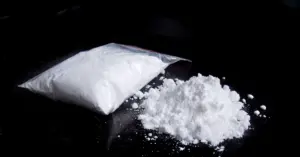
Cocaine is generally used in two forms either in a powder form or a rock form. The powder form is considered to be the more glamorous type of cocaine, it can be snorted, injected or smoked. The rock form is what is known as crack cocaine and is either smoked or placed inside areas of the body.
Cocaine is addictive and so addictive that it can even change the way a person’s brain functions. Being able to spot symptoms of cocaine addicts or sings of cocaine addiction can help you help someone you care about before the addiction takes over their life.
Here are some signs of cocaine addiction and abuse that you may note in an individual:
- Nosebleeds
- Runny nose
- Dilated pupils
- Mood swings
- Weight loss
- Excitability
- Changes in habits, especially sleep habits
- White powder residue on the mouth or below the nose
- Burn marks on the hands or lips
- Loss of interest in certain hobbies or activities
- Problems with finances
Effects of Cocaine on the Body
Because cocaine has such a short effect on the body, typically lasting 5 – 30 minutes, leaving individuals wanting more and using more to extend the effects. One of the main reasons for admission to treatment centers for cocaine use is smoking crack cocaine.
Smoking crack cocaine is the easiest and quickest way to feel “high” and those who are addicted to it enjoy it because it releases dopamine in the brain, making them feel good. When individuals come off a high on cocaine it is also a period of time that sings of cocaine addiction may be noticeable.
Individuals who are high on cocaine may be noticeably talkative with high confidence levels, lower appetites and worry less about taking risks. After the high has worn off there is always a period of the crash.
The crash is one of the more noticeable symptoms, besides not sleeping and being overly hyperactive, of cocaine addicts because of how the body reacts. During the crash period, the individual will sleep noticeably more and even eat more.
Other signs of cocaine addiction may come through in aggression, hostility, and anger. This can happen when individuals consume more than what is considered to be a “binge.” This is when individuals take a high dose of cocaine at one time leading them to experience negative side effects that besides anger can include paranoia, anxiety, and hallucinations.
Anger and hostility are another one of the cocaine addiction signs of someone who has used cocaine for an extended amount of time.
Because cocaine use can sometimes be difficult to spot it’s important to have an understanding of some of the cocaine addiction signs to be able to have early intervention and even recognition to help the abuser find the correct treatment and route to sobriety.
Reach out to the addiction specialists at Legacy Healing Center to learn more about detox and treatment options. Speak to someone today at 888-597-3547.